The 5 Best Diesel Heaters for Campervans That Actually Work in Winter

From sub-freezing nights to high-altitude camps, these diesel heaters are built to keep campervans warm when it matters most.
*This post may contain affiliate links. Please read our disclosure policy for more info.
If you plan on living in your campervan during the winter months, you’re going to need a way to keep warm. No matter how well-insulated your campervan conversion may be, things can get pretty uncomfortable once the temperatures really start to drop.
Diesel heaters are one of the best options due to their dry heat and power for cold climates. Here are the top picks van lifers swear by.
Best Diesel Heaters for Van Life in-Depth
A dependable mid-range diesel heater that delivers efficient, consistent heat for most campervans without excessive power draw.
- Reliable year-round heat in small to mid vans
- Lower power draw than bigger heaters
- Well supported and widely known quality
- Lower max output than bigger options
- Not ideal for very cold climates without insulation
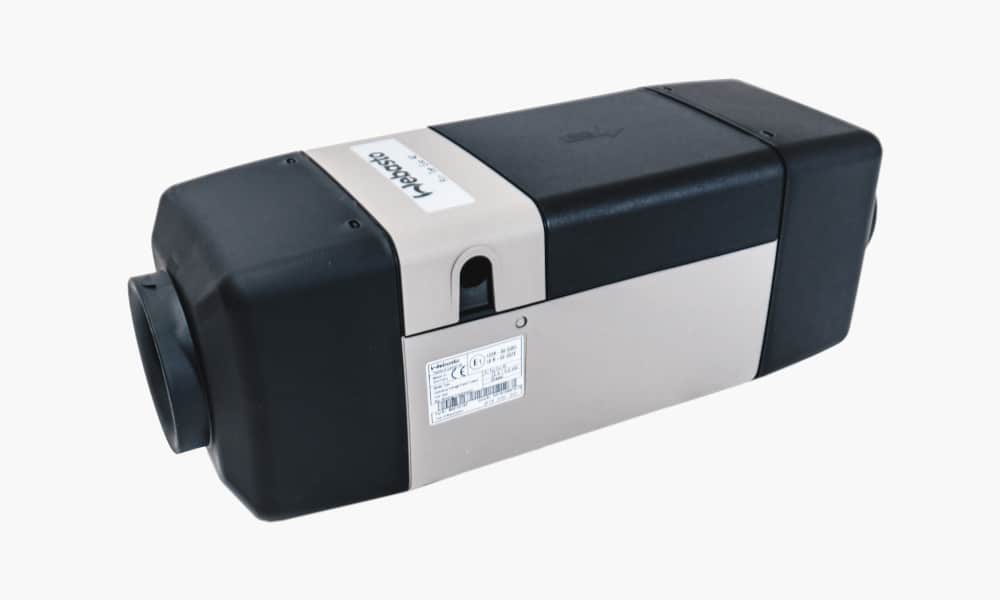
If you’re looking for a powerful diesel heater that hits the sweet spot for most campervans, the Webasto Air Top EVO 40 is a really solid choice. It puts out up to 13,650 BTUs, which is more than enough to heat mid-to-large vans quickly without going overkill. For Sprinter vans, Transits, and most RV-style builds, this heater delivers fast warm-ups and steady heat without constantly cycling on and off.
One of the biggest advantages of the EVO 40 is how efficient and versatile it is. It uses very little electrical power once running, making it well-suited for off-grid camping and winter van life. It also performs exceptionally well at altitude, operating up to 18,000 feet, which is a big deal if you spend time in the mountains or chase cooler weather in summer. Add in the simple rheostat control, and it’s easy to dial in a comfortable temperature without fussing with menus or apps.
Built by Webasto, the EVO 40 is a great fit if you want dependable heat, excellent altitude performance, and a heater that can keep up with full-time or four-season van life without pushing your electrical system too hard.
A long-trusted diesel heater that offers a solid balance of heating power, reliability, and efficiency for small to mid-size vans.
- Tried and true mid-range output for most van builds
- Good balance of heat and efficiency
- Proven Webasto durability
- Less powerful than 55 and D4L models
- Slightly less advanced controls than newer Evo line
- Still more expensive than entry alternatives

If fuel efficiency is your top priority, the Webasto Air Top 2000 STC is hard to beat. This compact diesel heater is designed for smaller campervans and well-insulated builds where you want steady, reliable heat without burning through fuel. With a maximum output of 6,800 BTUs, it’s not trying to heat a massive space. Instead, it maintains a comfortable cabin temperature using very little diesel, which is ideal for long off-grid stays.
The Air Top 2000 STC is also incredibly easy on your electrical system. Once it’s running, power draw stays low, making it a smart option if you’re relying on a modest battery setup or limited solar. It’s one of the quietest heaters in Webasto’s lineup, too, which matters when it’s running overnight. The included SmarTemp 3.0 Bluetooth controller adds another layer of comfort, letting you fine-tune the temperature or set a heating schedule from your phone.
This heater is best suited for solo travelers, couples, and smaller vans where efficiency matters more than raw output. It won’t keep up with a large, high-roof van in deep winter, but in the right build, it’s extremely economical and dependable.
A high-output diesel heater designed for larger campervans, colder climates, or less insulated builds that need serious heating power.
- Higher heat output for cold climates or poorly insulated vans
- Efficient and responsive heat delivery
- Advanced Evo controls
- Higher cost than 40 and 2000 models
- Overkill in moderate climates or tiny builds
- Bigger physical unit
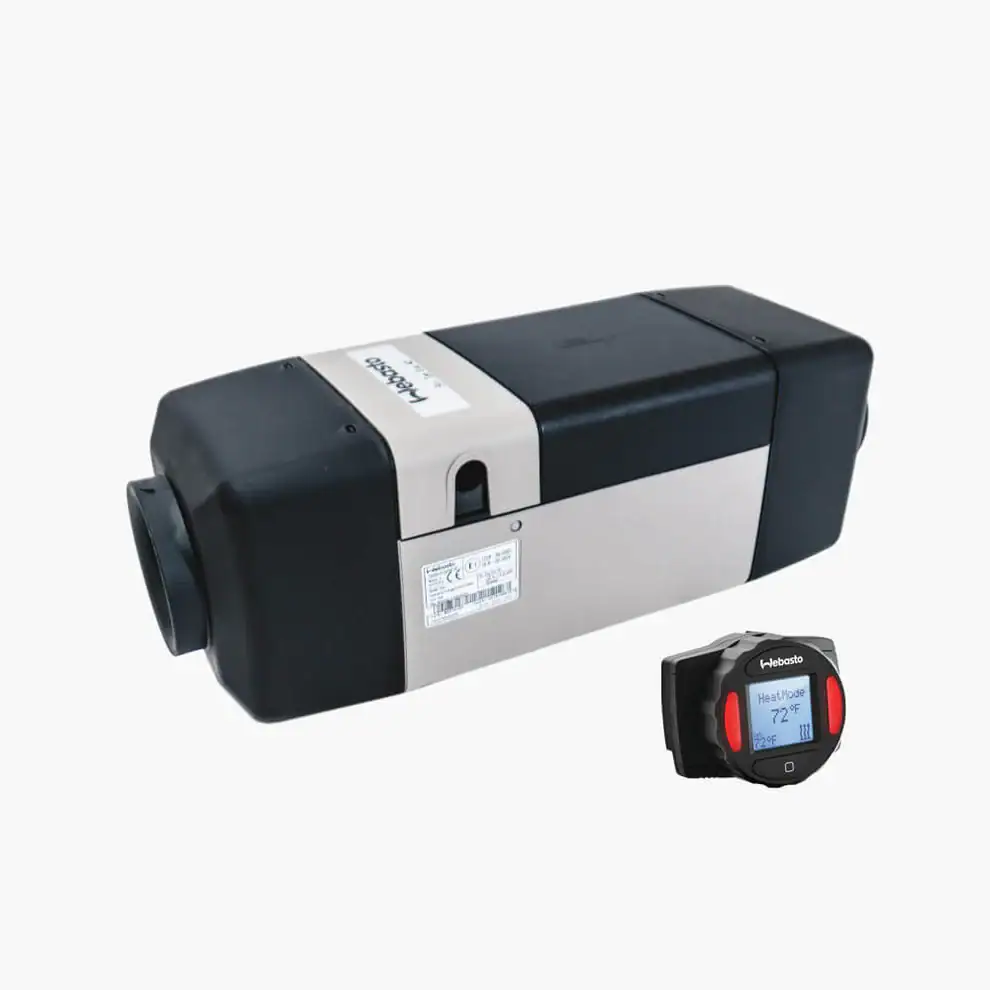
If you’re heating a bigger campervan or a boxy build with real square footage, the Webasto Air Top EVO 55 is in a different league. This is a high-output diesel heater designed for large vans, RVs, and work rigs that need fast, reliable heat in cold conditions. With 17,100 BTUs of output, it warms up a space quickly without idling your engine, which is exactly what you want when you’re parked for the night or camping off-grid in winter.
What really stands out is how efficient it is for its size. Despite the strong heat output, the EVO 55 sips power, drawing as little as 15 watts once it’s running. That makes it a solid option for off-grid van life, even if you’re relying on a modest battery setup. It also runs quietly with steady airflow, so you’re not waking up to temperature swings or heater noise in the middle of the night. For people spending long stretches in cold climates, that consistency matters.
This heater is built by Webasto for commercial-grade use, and it shows. The EVO 55 is designed to handle frequent use, long run times, and demanding environments. It works well in large conversion vans, RVs, and specialty vehicles where smaller heaters struggle to keep up. If you have a long wheelbase van, a high roof, or plan to camp in real winter conditions, this is one of the most powerful and dependable diesel heaters you can install in a campervan.
A durable mid-output diesel heater known for strong airflow and fast heat, making it a practical alternative to comparable Webasto models.
- Solid mid-range heater with robust build
- Strong airflow makes heat feel quicker and more even
- Often more affordable than equivalent Webastos
- Slightly louder than top Webasto units
- Parts/support less widespread than Webasto
- Not the highest output for very large vans

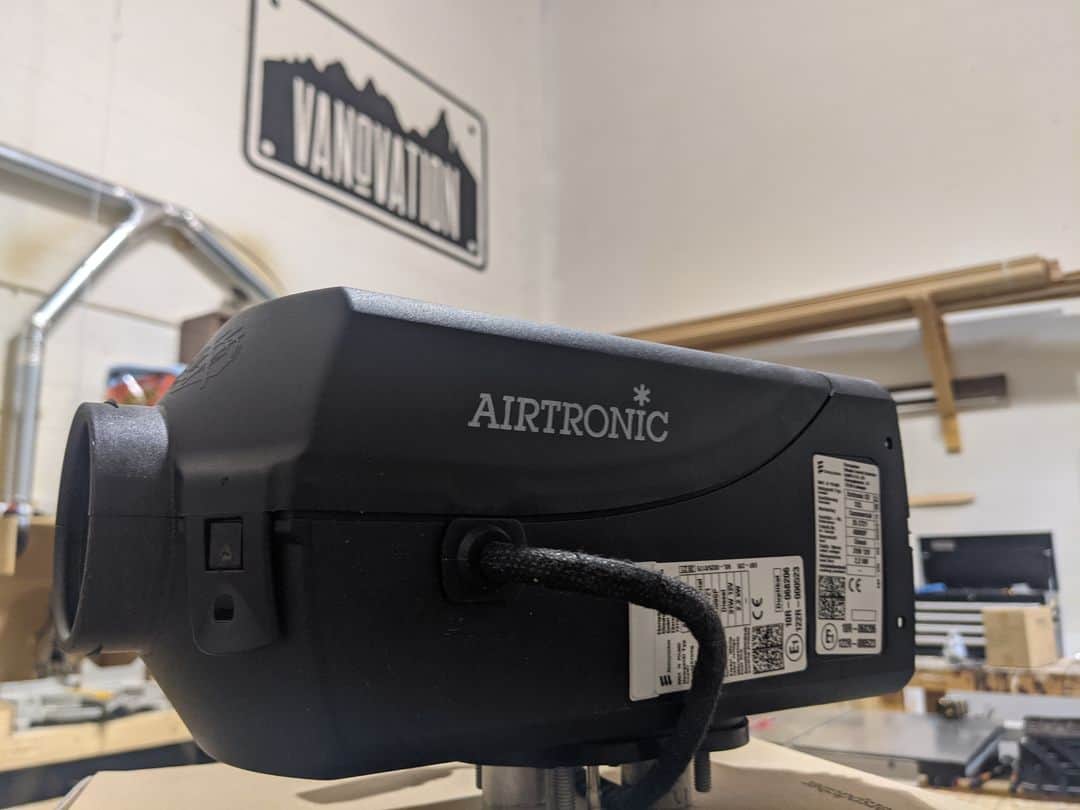
If you spend a lot of time camping at elevation, the Espar Airtronic S3 D2L really stands out. This diesel heater is designed for small to mid-size campervans that need quiet, efficient heat without constant adjustment. It delivers up to about 7,500 BTUs, which is plenty for well-insulated vans, and it’s built to maintain steady warmth rather than blasting hot air in short bursts.
What makes this heater especially appealing is its automatic altitude adjustment. It continuously compensates for elevation changes, so whether you’re parked at sea level or sleeping above 10,000 feet, it just works. The S3 D2L is also extremely fuel-efficient and easy on your batteries, making it a great option for long off-grid stays. Paired with the EasyStart Pro controller, you get precise temperature control and scheduling without having to think about the heater once it’s set.
This heater is best suited for solo travelers, couples, and anyone with a smaller or well-insulated van who values quiet operation and reliability. It’s not meant to heat large, drafty rigs in deep winter, but in the right build, it’s one of the most refined diesel heaters available. Built by Espar, the Airtronic S3 D2L is an excellent choice if altitude performance, efficiency, and overnight comfort are at the top of your list.
The most powerful option in this group, built to provide consistent, high-capacity heat for large vans or extreme cold conditions.
- Strongest output in the group for bigger vans or extremes
- Efficient cycling and consistent warmth
- Often good value for power
- Largest and highest cost of the five
- Can be more than needed in mild conditions
- Slightly more complex install in tight spaces
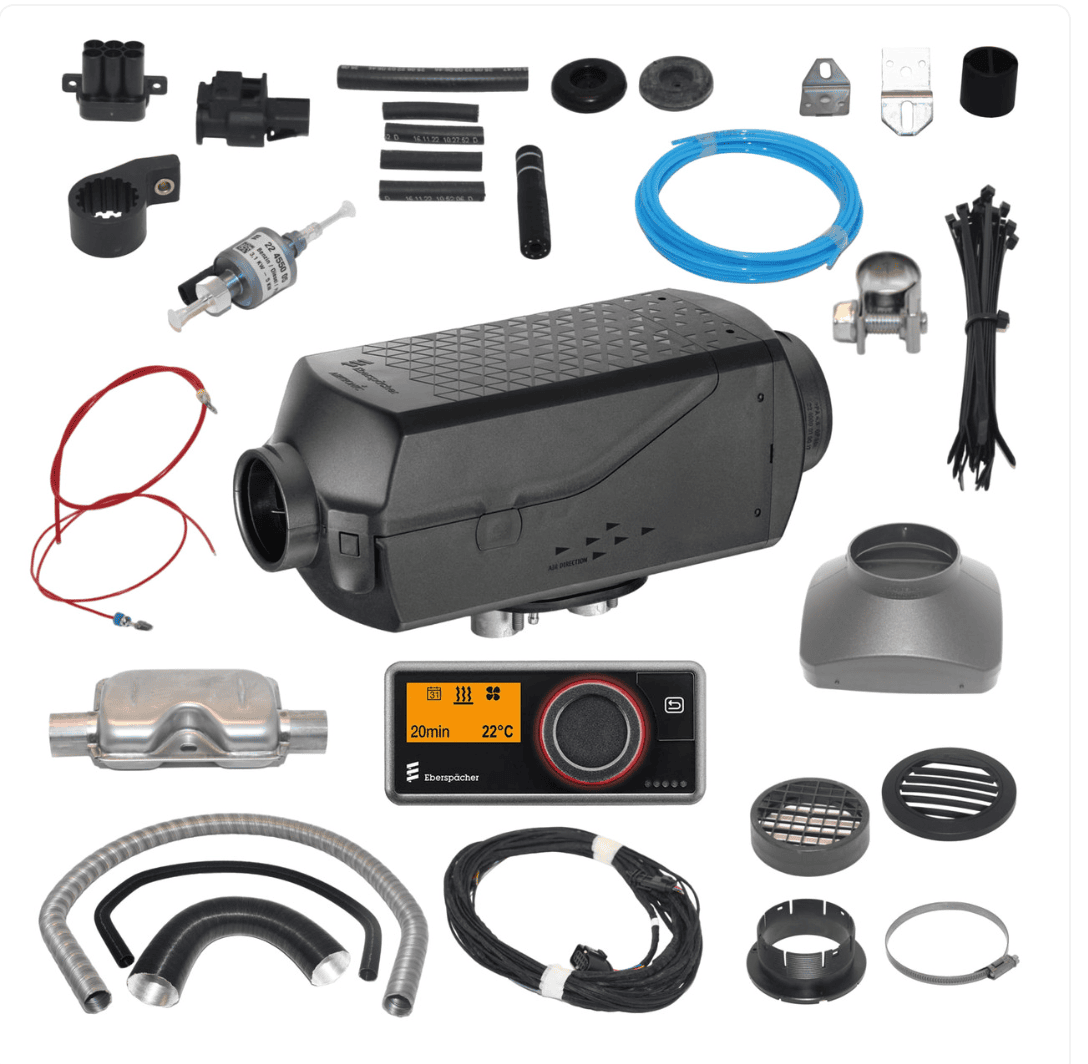
If you’re heating a large campervan or planning to live on the road through real winter conditions, the Espar Airtronic M3 D4L is built for that job. This is a high-output diesel heater that delivers up to 13,650 BTUs, making it powerful enough for long wheelbase, high-roof vans, RVs, and other big interiors where smaller heaters struggle. It heats a space quickly, then settles into a steady, even warmth that’s comfortable to sleep through.
One of the biggest advantages of the M3 D4L is its automatic altitude adjustment, which works up to 18,000 feet. That makes it an excellent choice for mountain travel and four-season van life, where changing elevations are part of the routine. Despite the higher output, it’s still efficient and relatively easy on your batteries, with low power draw once it’s running. Paired with the EasyStart Pro controller, it’s simple to manage temperature and schedules without constantly tweaking settings.
This heater is best suited for people who need serious heat but don’t want to sacrifice reliability or refinement. It’s overkill for small vans, but in a large or poorly insulated build, it can be a game-changer. Built by Espar, the Airtronic M3 D4L is a strong option if you want powerful, quiet heat that performs well at altitude and holds up to full-time use.
Why Choose a Diesel Heater for a Campervan?
As with most things van-related, everyone has an opinion about what makes the best heater for van life. If you’re driving a diesel camper van, though, using a diesel air heater is almost a no-brainer. Let’s look at the three main reasons why you might want to consider installing a diesel heater in your van.
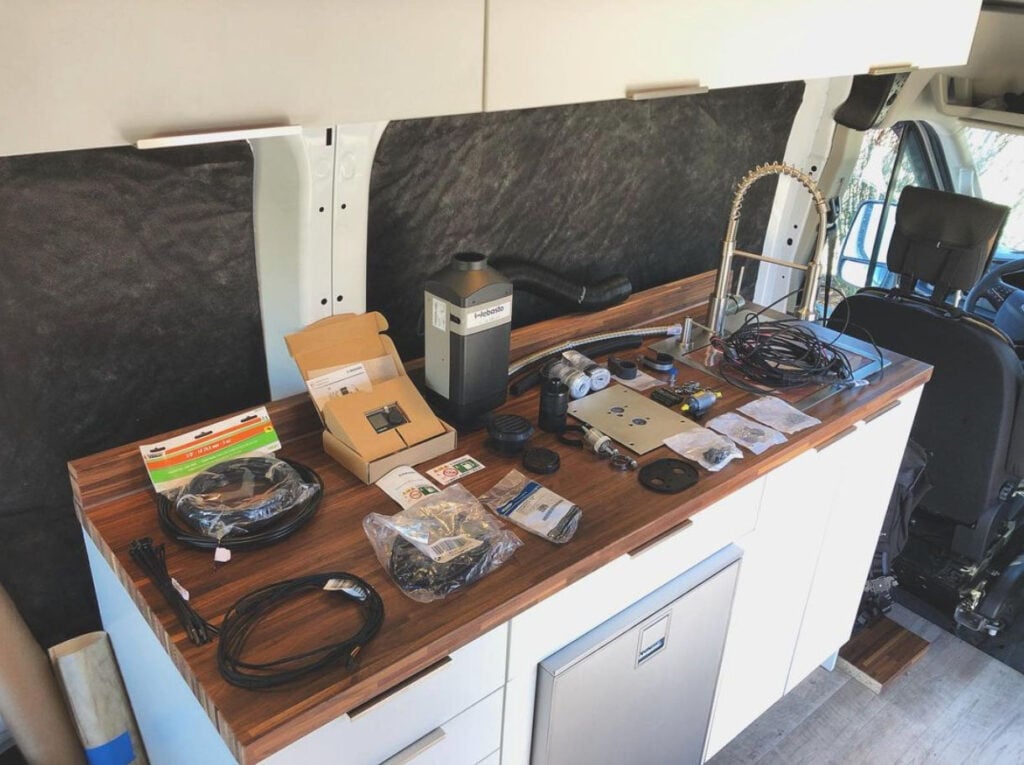
- No need for extra tanks. There are lots of good reasons to use a propane heater in your van, but the main downside to using propane is having to use external storage tanks. If you own a diesel van like a Sprinter, you can run a diesel heater directly from your vehicle’s main fuel tank. Although drilling into your fuel tank might sound scary, a professional will be able to do the job in no time. Plus, most Sprinters have an auxiliary tap on the fuel tank, so no drilling necessary!
- Diesel is affordable. If you’re using a propane heater all winter, you’ll end up spending a lot of money on fuel. Diesel is affordable and readily available, which makes it an attractive proposition. Plus, diesel heaters for camper vans are so small and efficient that you’ll hardly notice them using any fuel.
- Dry heat. Condensation buildup is every van dweller’s worst nightmare. When it’s cold outside, the last thing you want is damp sheets, clothes, and windows. Unlike propane heaters, which produce “wet heat,” diesel heaters vent externally, so the heat they produce is drier and helps to combat condensation. Carbon monoxide buildup is less of a worry, too, although you should always have a carbon monoxide detector installed in your van.
How Does a Diesel Heater Work in a Campervan?
Because diesel heaters are so compact, they take up very little space inside your camper van. Not only that, they’re extremely efficient, so it doesn’t take much to keep things nice and cozy during cold weather.

Diesel heaters draw fuel from your tank, as well as cold air from outside into a combustion chamber. The diesel fuel and air mixture ignites under pressure, increasing the temperature of the outer combustion chamber and heating the attached heat exchanger.
All the resulting gasses are safely expelled through an external exhaust pipe. A fan draws in air from inside the van, circulates it around the heat exchanger, then blows the warm air into your living space.
Are Campervan Diesel Heaters Safe?
Carbon monoxide poisoning is no joke, and if this gas accumulates in a small space it can be deadly. That’s why it’s a really good idea to install a carbon monoxide detector in your camper van, especially if you’re using propane for cooking and heating.
That said, the best diesel heater is much safer than a propane heater, as long as you install it correctly. Not only do diesel heaters produce minimal carbon monoxide, they also expel gasses safely outside. Plus, the air that’s being heated and blown into your living space comes from inside the van. Lastly, the best diesel heaters have safety shutoff features that’ll kick in if a problem is detected.
Because diesel heaters produce dry heat, they actually help to prevent the buildup of moisture inside your van by lowering the relative humidity. Using a propane heater actually creates moisture, which can lead to mold and mildew, even if you have a vent fan installed. This type of environment can be pretty bad for your health.
German vs Chinese Diesel Heaters
Until quite recently, buying the best diesel heater for your van meant investing a substantial chunk of money in a Webasto, Espar, or equivalent European model. That’s all changed, though. In the last few years, Chinese diesel heaters have flooded the market, and a quick search on Amazon brings up dozens of affordable unbranded and private label heaters.
These Chinese heaters cost a fraction of what you’ll pay for an Espar or Webasto, but are they too good to be true? Well, yes and no.
German diesel heaters have been around for a long time. These manufacturers have a proven track record when it comes to producing heaters that people trust to work well. They use high-quality materials and their diesel heaters come with features like automatic altitude adjustment and noise reduction.
The van life community was understandably hesitant to embrace Chinese diesel heaters when they first started showing up. However, as more and more budget-conscious van dwellers have bought and installed a Chinese diesel heater, the general consensus has turned in their favor.
That’s not to say Chinese heaters aren’t problem-free. They can be tricky to install, there are often parts missing, and the instructions are notoriously difficult to follow. Luckily, there’s a large Facebook group dedicated to offering support and advice for Chinese diesel heaters. Chances are, if you run into an issue, someone on the group has come up with a solution!
What to Look For When Buying The Best Diesel Heater for Your Campervan
Although installing a diesel heater in your campervan conversion is fairly straightforward, it isn’t something you’ll want to do more than once! Before you buy a diesel heater, there are a few things you should consider, so that you end up with a heater that’s right for your van life setup.

Heat Output
This is probably the most important factor to consider before buying a diesel heater. It’s really important to install the appropriate size of heater for your van.
An oversized heater is basically a waste of money — you’ll rarely need to run the unit on full power, so more carbon will build up inside and you’ll need to clean it more often. Plus, the heater will end up cycling more often, resulting in a needless amount of noise and power consumption.
On the other hand, if you install a heater that’s too small for the amount of space you have, it’ll need to run on the highest setting all the time. You’ll use more fuel this way, and the fan constantly running will end up being a power drain.
Put simply, a 2kW diesel heater should be powerful enough for a small campervan, while a 5kW heater will work most efficiently in larger vans.
Altitude Settings
This is a big consideration if you plan on spending a lot of time at higher altitudes. Using diesel heaters above around 5,000 feet above sea level can be problematic — the air is thinner making it harder to burn the fuel.
More expensive diesel heaters from Webasto and Eberspacher feature nifty altitude adjustment settings that automatically change the mix of fuel and air. These are definitely the best diesel heaters to buy if your winter van life dreams involve skiing and hiking in the mountains. That said, you can manually adjust some diesel heaters so they work at higher elevations, but it involves quite a bit of tinkering with no strict guarantees of success.
Power Consumption
Diesel heaters use a 12-volt power supply, and draw power from your batteries to get started. They also use power to run the fuel pump and the fan. The initial surge can be quite sizable — up to 15 amps from a cold start — so this is something you’ll have to bear in mind. Make sure your power supply can handle this surge, and don’t connect the heater to your coach battery. After a few seconds, the power draw drops to around 4 amps for a few minutes. Once the heater is warm, it’ll only be using around 1 amp per hour.
Noise
Diesel heaters can be quite noisy, and this is a major downside for some folks. Light sleepers might have a hard time when some diesel heaters are starting up or shutting down, especially when they’re operating on the highest settings.
When choosing a place to install your diesel heater, shoot for a spot that’s as far from your bed as possible. You can also use noise-deadening insulation around the unit. Manufacturers like Webasto are constantly improving their heaters in an effort to reduce noise, but choosing the appropriate size and managing the thermostat properly can go a long way to keeping things quieter.
Fuel Efficiency
This isn’t really an issue, as long as your diesel heater is the right size for your van. All diesel heaters are remarkably fuel efficient, usually using around 0.1 – 0.5 liters of fuel per hour. Don’t worry about the heater draining your fuel tank, either: diesel heaters shutoff automatically when the tank is around three-quarters empty.
Cost
As we’ve already seen, van life diesel heaters fall into two distinct categories: expensive European heaters and cheap Chinese and Russian heaters. As with most things, it’s really a case of “you get what you pay for.” A Webasto heater, for example, is made from the highest quality materials, offers a multitude of features and functions, and is highly rated by users. Purchasing a cheap Chinese diesel heater is a bit more of a gamble — you’ll spend way less money, you won’t be buying with as much confidence.
Warranty
If you’re planning on buying a Webasto or Espar heater, you’ll be happy to hear they both come with very good warranties. After all, these diesel heaters represent a substantial financial investment, so you’d expect to be well taken care of. Both companies have a good network of service centers throughout North America, so if a problem arises there’s a place to go.
It’s a completely different story with a budget Chinese diesel heater. If you do get a warranty, it isn’t going to be worth much. That said, these heaters are a fraction of the cost of the German models, so there isn’t really much to complain about on that front!
Where To Install a Diesel Heater in a Van
Because van diesel air heaters are fairly compact, finding a place to install one shouldn’t be too difficult. It’s best to shoot for a location that’s protected and enclosed, such as a storage cabinet.
One of the most popular spots is under the passenger seat. There’s plenty of space under there, it’s nicely enclosed, and it’s away from the van’s sleeping area in most cases.

Wherever you decide to install your diesel heater, remember that the combustion air intake, exhaust, and fuel pipes go through the floor, so it’ll have to be in an area that’s unimpeded by exterior fuel lines, frame rails, fuel lines, etc.
If you buy an Espar or Webasto diesel heater, it’ll come with comprehensive instructions that are easy to follow. The instructions for a Chinese diesel heater might not be quite as straightforward, but there are plenty of great Youtube videos that’ll really help. However, there are a few important things to remember during installation:
- To maximize efficiency, make sure you have a good amount of airflow around the heater’s air inlet inside the van.
- The exhaust and air inlet pipes should be pointing in different directions under the van. This prevents exhaust being sucked into the air inlet pipe.
- Make sure the air inlet filter isn’t pointed in the direction of travel. This will prevent buildup that could clog the pipe.
- The exhaust pipe should be sloping downward at a gentle angle. This will prevent condensation buildup, which can cause rust.
- The fuel pump also needs to be sitting at a slight angle. This will allow air bubbles to escape.
We Hope This Helps You Stay Warm in Winter!
Choosing the best diesel air heater for your van life adventures really depends on how much you’re willing to invest. If you can afford to install a Webasto or Espar heater in your van, exploring the high mountains won’t be an issue and you’ll stay warm and cozy all winter long.
If you’re on a tight budget, there are cheap and effective Chinese heaters that many van lifers swear by. Whichever diesel heater you go for, it’ll be a compact, fuel-efficient, and safe way to keep the cold at bay!
We hope you’ve found this article on diesel heaters for vans useful! Feel free to leave your questions and suggestions in the comments section below.
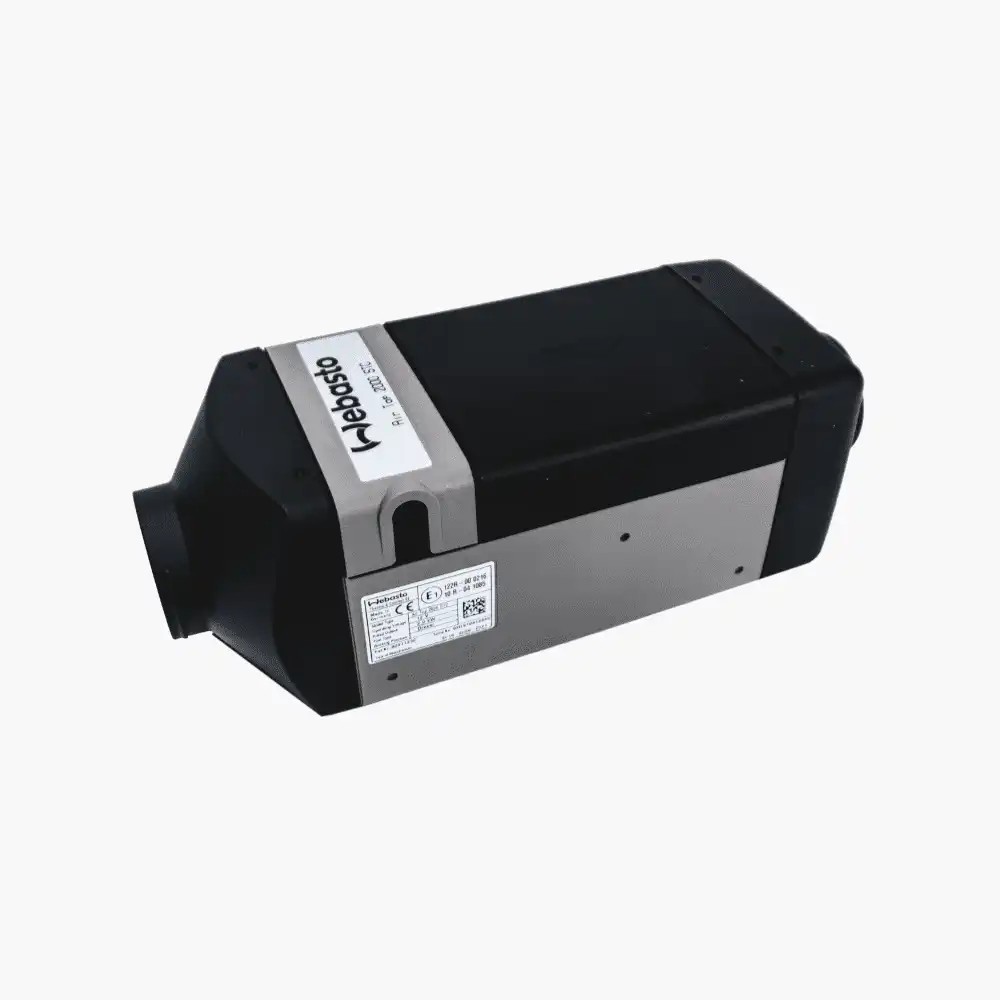
- Weight: 19.8 pounds
- Dimensions: 21.4 x 15 x 6.3"
- Output: 7,000 BTUs
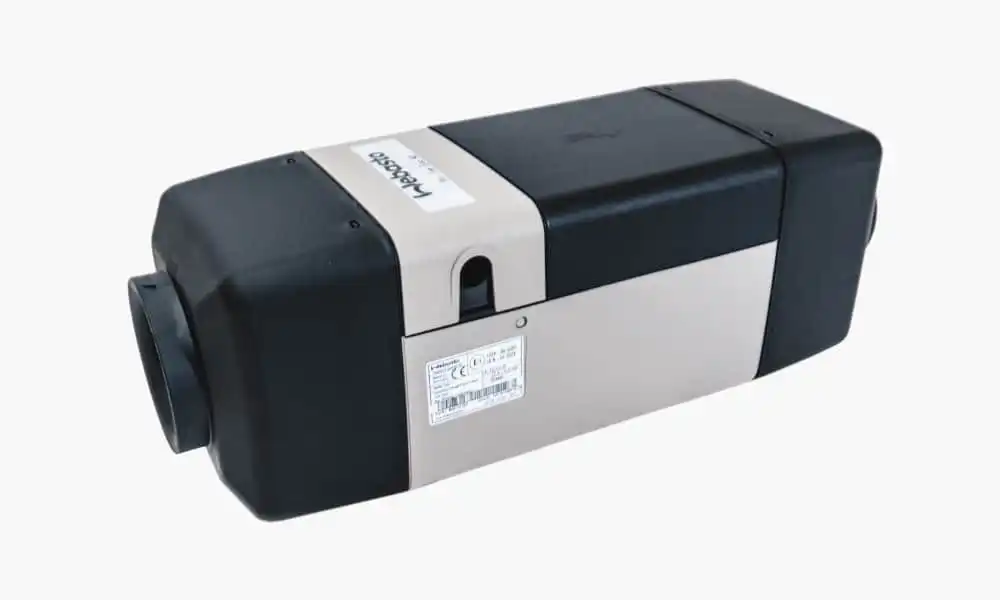
- Weight: 23.2 pounds
- Dimensions: 21.5 x 15.4 x 9.1"
- Output: 13,650
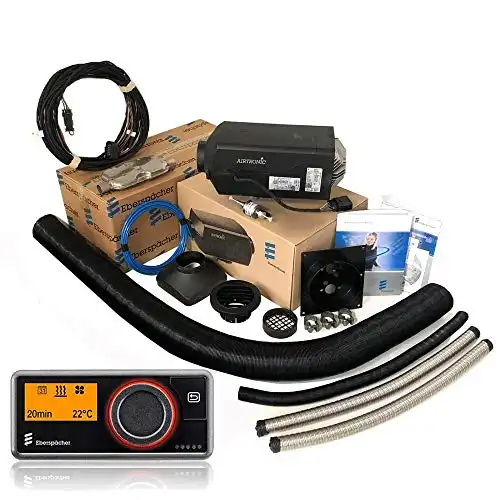
- Weight: 17.6 pounds
- Dimensions: 12.20 x 4.52 x 4.80
- Output: 7,500 BTUs
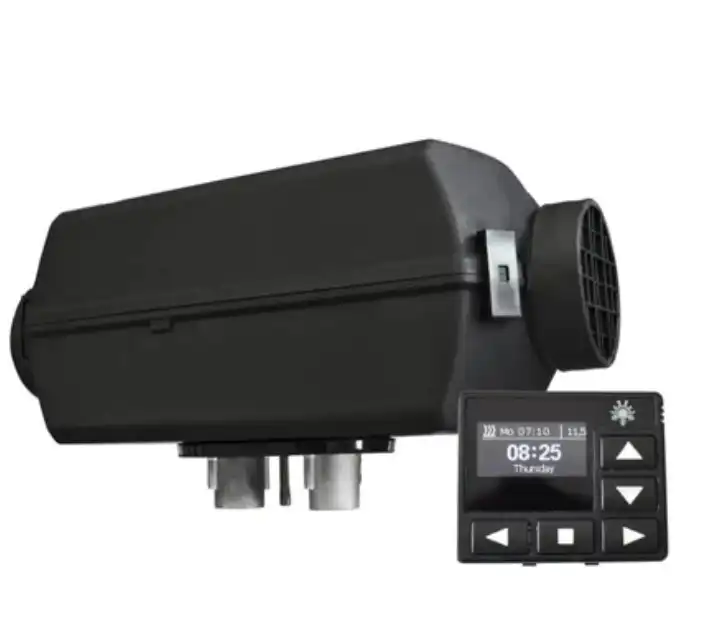
- Weight: 17.63 pounds
- Dimensions: 15.6 x 6.2 x 7.3"
- Output: 13,500
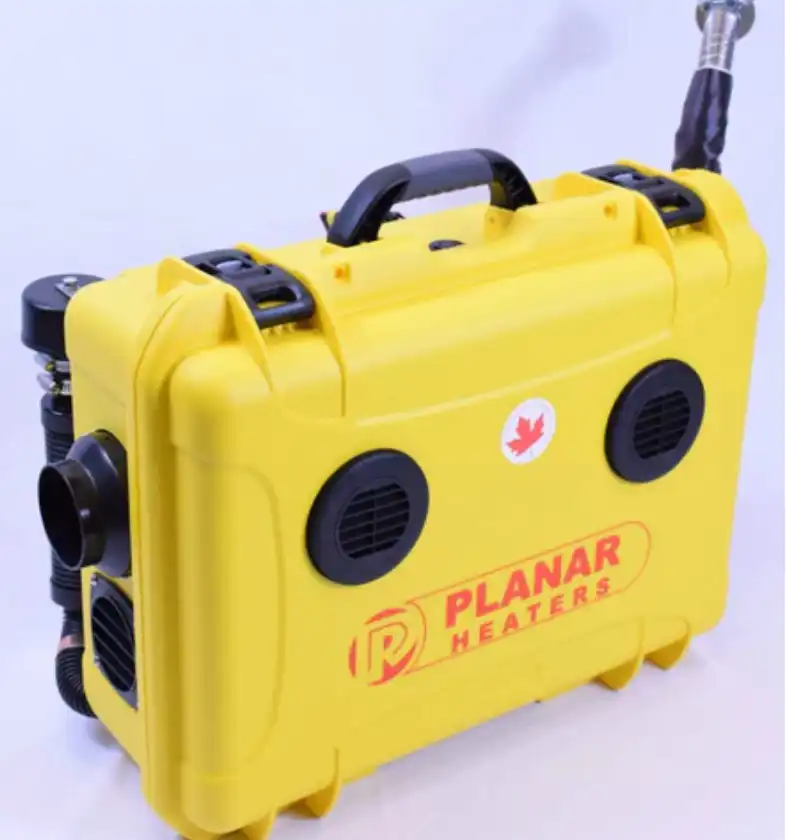
- Weight: 33 pounds
- Dimensions: 25 x 19 x 19"
- Output: 13,500 BTUs
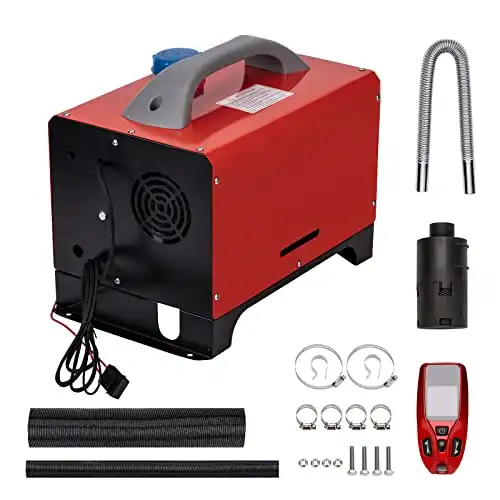
- Weight: 16.63 pounds
- Dimensions: 18.7 x 17.1 x 10.6"
- Output: 5KW
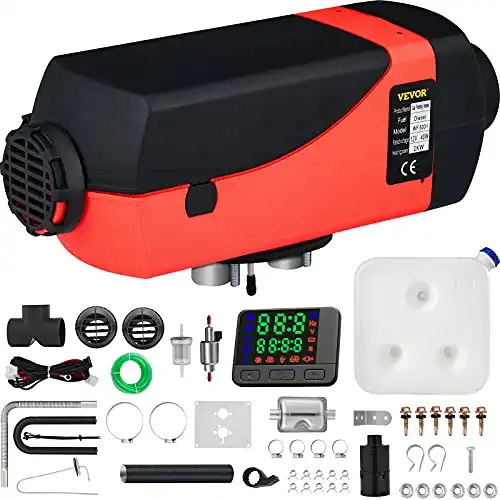
- Weight: 13.67 pounds
- Dimensions: 18.5 x 17.5 x 10.2"
- Output: 2kW
More articles to check out: