

Chaos in U.S. National Parks Amidst Government Shutdown. Here’s How to Navigate a Visit.

Reduced staffing, unsafe behavior, and volunteer rescues: America’s public lands are under strain.

*This post may contain affiliate links. Please read our disclosure policy for more info.
A near-rangerless Yosemite. Stretched fire crews in Joshua Tree. Volunteers sweeping trails in Rocky Mountain National Park to keep them open.
According to Business Insider, the country’s most-visited national parks — from Yosemite and Zion to Yellowstone and Acadia — remain technically open, but only on paper.
Some states have temporarily stepped in to cover costs, but most parks operate without maintenance or supervision.
Visitor centers are closed, fees aren’t being collected, and many restrooms and campgrounds are unstaffed.
Yosemite’s Wild West Moment

According to Backpacker, in Yosemite, the reduced ranger presence is already taking a toll.
Visitors have started camping illegally, hiking the Half Dome cables without permits, and BASE jumping off El Capitan. Campgrounds that used to be tightly managed now shelter squatters, and remote areas are filling up unchecked.
Locals and guides warn that the park is slipping toward lawlessness, especially in areas where oversight is weakest.
Understaffed Emergency Response in Joshua Tree

In Joshua Tree, the shutdown’s effects are colliding with nature’s own timeline.
As the federal freeze drags on, the Black Rock Fire has burned several hundred acres near Yucca Valley, forcing campground evacuations and testing an already-strained park system.
With staffing reduced and key services paused, coordination is harder, and response efforts are stretched thin. Fire crews are working with limited resources, while many furloughed rangers can’t provide their usual support.
Wildfires aren’t the only risk. When storms, medical incidents, or vehicle breakdowns strike on public land, rangers are often first on scene. Now, visitors may have to rely on local fire or sheriff departments instead — a scenario we’ve seen in past shutdowns.
Volunteers and Stopgap Solutions in Rocky Mountain National Park
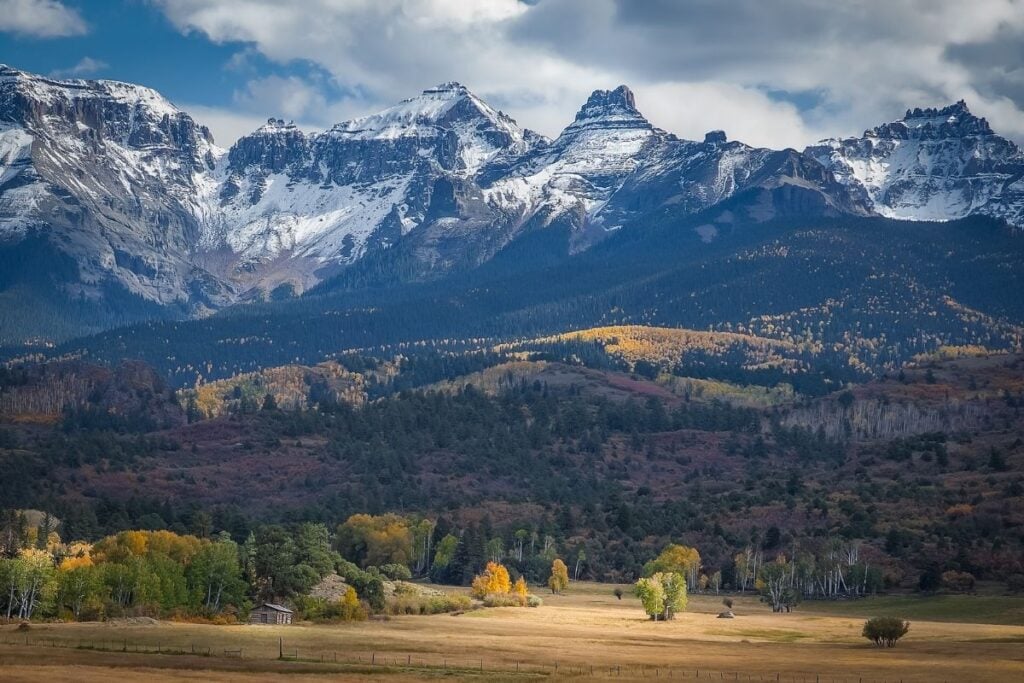
In Rocky Mountain National Park, the impact is softer, but no less serious.
Volunteers are stepping in to empty trash bins, clear trails, and greet visitors at unstaffed entrances. The Rocky Mountain Conservancy has reassigned its own employees to help run front desks, while the YMCA of the Rockies is organizing cleanup hikes in Moraine Park.
It’s an impressive show of community effort, but it also reminds us of how fragile the system is. Volunteers can patch gaps, not replace the professionals who protect and maintain these lands. They can’t issue citations, run rescues, or make policy decisions.
In other parks, nonprofits and gateway towns are doing the same: keeping basic services running, updating closure signs, and even hauling trash out. It proves how deeply people care about public land.
How Campers Can Navigate the Shutdown in National Parks
Here’s how to keep exploring safely — and responsibly — while the shutdown drags on.
Plan ahead
Check local alerts and the park’s social media before driving in. Conditions can change overnight — campsites may close, roads may flood, and fire zones may expand without warning.
With so few rangers available, no one flags hazards on-site. Research where you can legally park and always have a backup route in case access roads are closed.
Come prepared
Think of your van as a tiny self-contained basecamp. Bring extra water, a backup power source, and waste-disposal options.
Leave no trace — twice over
Pack reusable containers and bring sturdy bags to haul your rubbish — and, when possible, a little of someone else’s. Every bag removed lightens the load for volunteers and keeps trails from turning into dump sites.
Respect closures and burn bans
Rules exist for a reason. A single campfire or shortcut through a closed area can undo years of conservation work. Pay attention to posted signs and taped-off sections, especially around fire zones or wildlife nesting areas. Respecting boundaries is part of protecting your freedom to roam in the future.
Stay connected
Cell coverage in national parks is unreliable, and with visitor centers shut, there’s no ranger to check in with if you go missing.
Download offline maps before entering the park, share your location when possible, and tell someone your itinerary. A quick check-in each evening could make all the difference if plans go wrong.
If you have Starlink, it could come in handy when in national parks if you’re camping in an area with no cell signal.
Be fire smart
The Black Rock Fire in Joshua Tree showed how fast a small spark can turn into an emergency when staff are stretched thin.
Avoid open flames whenever possible and always confirm burn bans before lighting a stove. Keep a small fire extinguisher or sand bucket in your van.
Step up
Public lands are running on goodwill, and every small act helps. If you spot overflowing bins, blocked access roads, or unsafe behavior, report it to local authorities or park hotlines when you can. Even a quick message to a nearby ranger district or volunteer group can make a difference.
The appeal of van life has always been self-reliance: living lightly, moving freely, and finding beauty in simplicity. But self-reliance doesn’t mean isolation. The freedom to roam only endures when everyone treats that freedom like something borrowed, not owned.
If the shutdown has shown anything, it’s that the wild still depends on us — all of us — to stay wild. Trails need maintenance. Rules need enforcing. Wild places need people to protect them.
Stay safe out there.


Thank you so much for encouraging people to take care of our wonderful natural places.