Famous Jury-Rigs: 9 Times Sailors MacGyvered Their Way Home

A mast made from a boom, a raft patch that held 33 days, and a lifeboat rebuilt with seal blood: 9 true stories of sailors who MacGyvered their way home.
*This post may contain affiliate links. Please read our disclosure policy for more info.
After ten years of living on a sailboat, I’ve come to believe the defining skill of a sailor isn’t trimming sails or reading weather. It’s fixing things with whatever happens to be aboard, usually while the situation is actively getting worse.
Sailors call it a jury rig: the makeshift repair — a mast built from a spinnaker pole, a rudder made from a cabin door — that has to work, because the nearest chandlery is a thousand miles away and the ocean doesn’t do refunds. I’ve written before about what sailors do when they lose a rudder at sea, and the response told me something: you love these stories as much as I do.
So here are nine of the greatest jury rigs ever pulled off — nine times sailors looked at a broken boat, took inventory of what was left, and MacGyvered their way home.
1. The man who finished the world’s toughest race with no mast

Photo: Eric Houdas, CC BY-SA 4.0, via Wikimedia Commons
In February 2017, Conrad Colman was 740 miles from the finish of the Vendée Globe — the solo, nonstop, round-the-world race — running tenth, when a storm took his mast. Most sailors would have called for help. Colman, a trained sailmaker and rigger, went to work instead: he stood his broken boom up as a mast and cut down his mainsail and storm jib to fit it, tuning the sheeting angles for days like the professional he is.
He crossed the finish line under that stump of a rig, having run out of food and finished the trip on the survival rations from his life raft. He still averaged over 10 knots for the whole race — and became the first skipper in Vendée Globe history to sail it using no fossil fuels. Race watchers called it one of the most efficient jury rigs ever seen in ocean racing.
2. The spinnaker-pole mast that found an island in the Southern Ocean
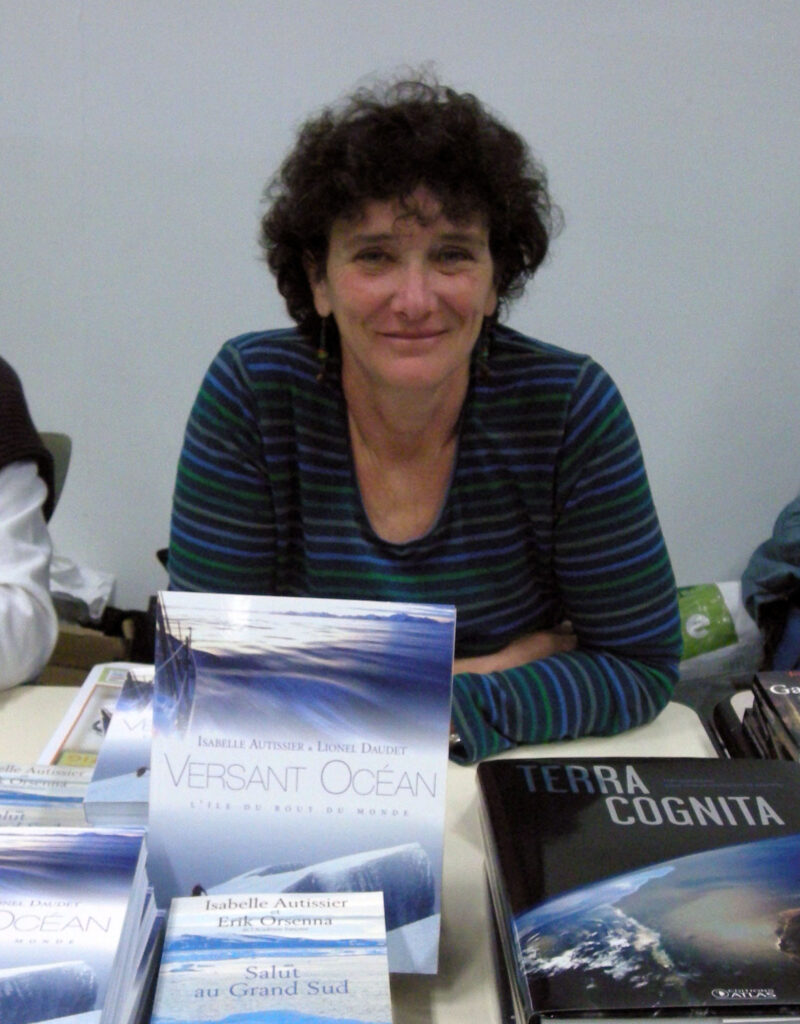
Isabelle Autissier won the first leg of the 1994–95 BOC Challenge by more than five days. Then, deep in the Roaring Forties south of Africa, her mast went over the side. Her answer was to raise her spinnaker pole in its place, hang what sail she could from it, and navigate that wounded boat to one of the loneliest specks on Earth — Kerguelen Island — where a station of French scientists helped her step a replacement mast.
The sea wasn’t done with her that leg, and she’d eventually need a Navy helicopter’s help after a second, far worse knockdown. But the passage to Kerguelen under a spinnaker pole remains one of the great feats of make-do seamanship — a jury rig aimed at a pinprick of land in an ocean of nothing.
3. The man who jury-rigged his boat to go RESCUE someone
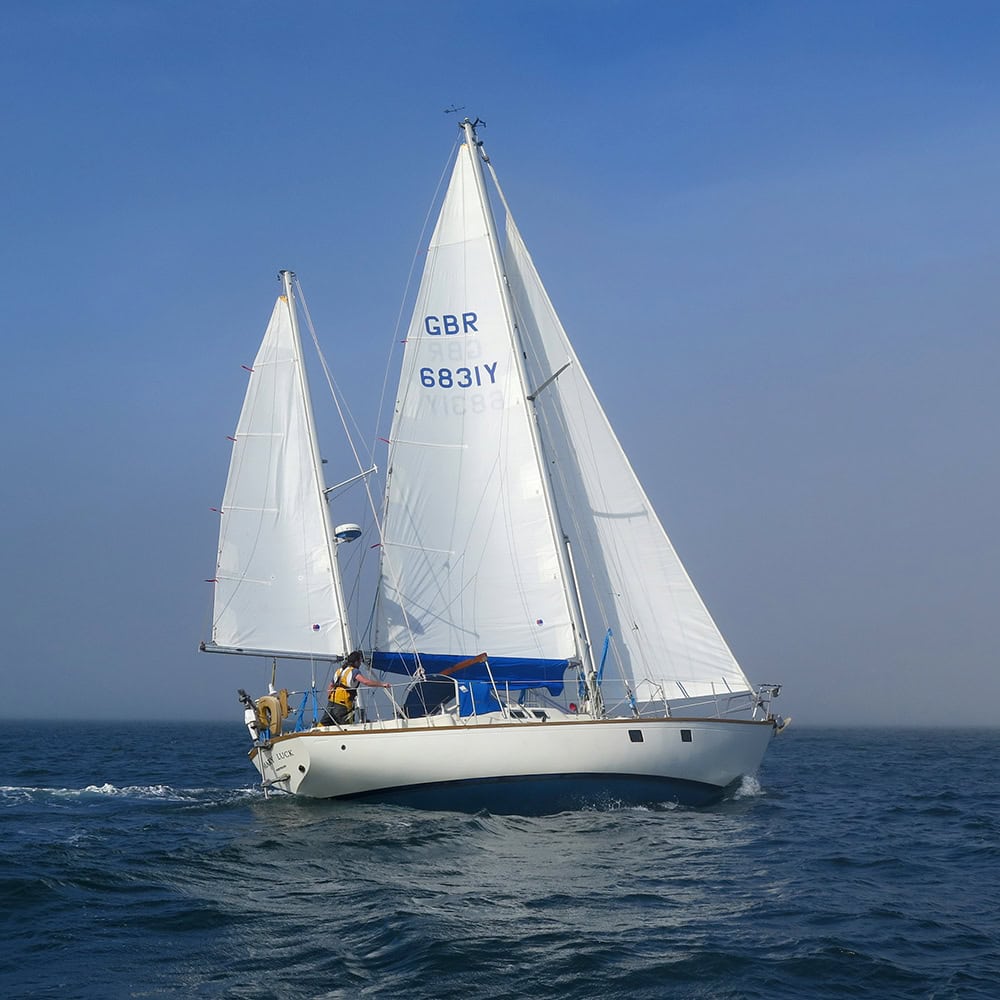
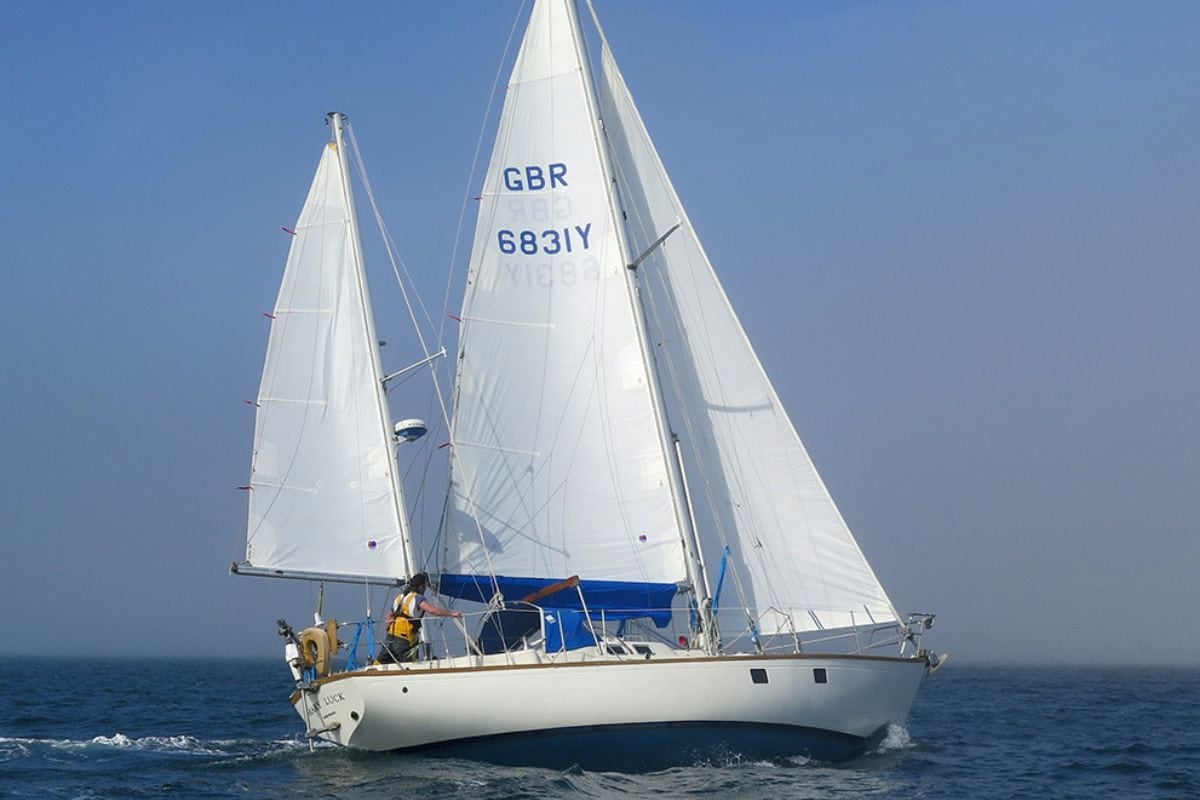
***2018 Golden Globe Race. Irish skipper Gregor McGuckin sailing aboard his Biscay 36 ketch MARY LUCK during trials prior to the start of the 2018 Golden Globe Race from Les Sables d’Olonne on July 1
Here’s the only entry on this list where the jury rig wasn’t about saving yourself. In the 2018 Golden Globe Race, a monster Southern Indian Ocean storm dismasted two competitors at once: Abhilash Tomy, who was gravely injured and couldn’t move, and Irishman Gregor McGuckin, who was battered but functional.
McGuckin cobbled a jury rig out of his spinnaker pole — not to limp toward port, but to sail his own crippled boat toward Tomy, hundreds of miles of ocean away, in case he could reach him before the rescue ships did. Both men were ultimately picked up by a French fisheries patrol vessel. But think about that choice for a second: his boat was broken, and his first thought was someone else’s.
4. Kayak paddles and PVC pipe, 750 miles from Hawaii
This one happened weeks ago. In June 2026, Kai Sato set out from Southern California on his first solo passage to Hawaii. Two weeks in, his mast snapped, his engine had no fuel, and his phone was dead. Adrift with no way to call anyone, Sato improvised a sail rig out of PVC pipes and kayak paddles, ate oatmeal and whatever fish and squid landed aboard, and collected drinking water by sealing seawater in plastic bags and licking off the condensation.
He survived a full month adrift before the crew of a passing cargo ship heard his VHF call and spotted the de-masted boat about 750 miles from Hawaii. The jury rig didn’t get him home — but it kept him alive and pointed the right way, which is sometimes all a jury rig has to do.
5. Forty-one days, a broken rig, and a sextant
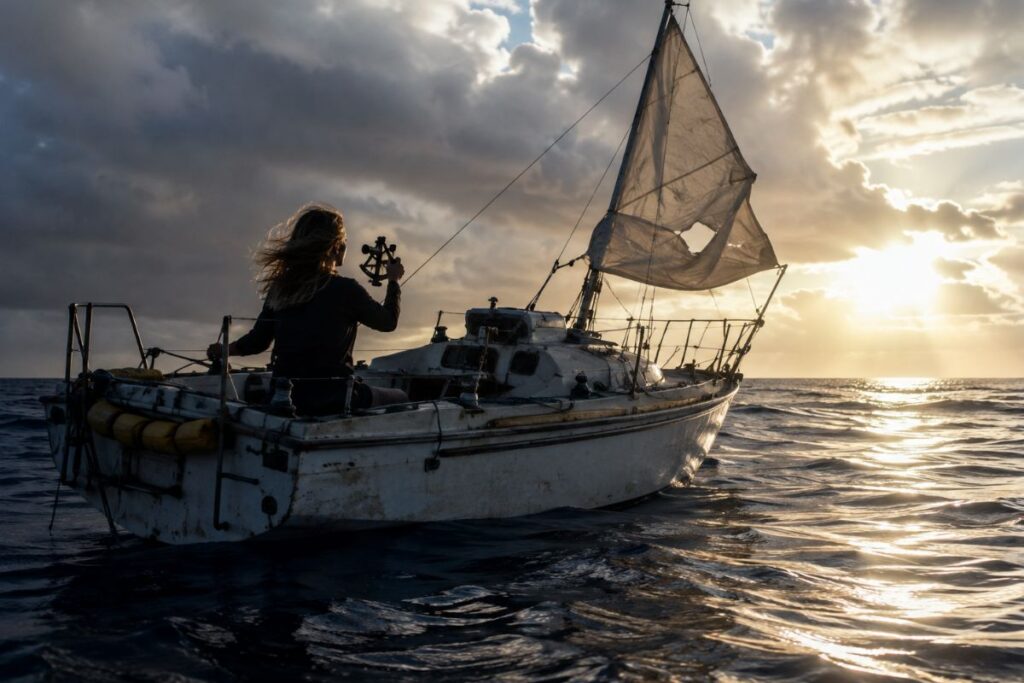
In 1983, Tami Oldham Ashcraft was delivering a yacht from Tahiti to San Diego with her fiancé when Hurricane Raymond found them. She came to more than a day later, alone — the storm had taken both the rig and the man she loved — with 1,500 miles of Pacific between her and land.
She rigged a storm jib on a broken spar, taught herself to make that fractional sail plan crawl across the ocean, and navigated by sextant and dead reckoning for 41 days into Hilo, Hawaii. Her story became the book and film “Adrift.” It’s the heaviest story on this list, and it earns its place: no rescue, no assistance — she sailed herself home.
6. Pitchpoled off Cape Horn — twice — and carpentered back to life
In 1957, Miles and Beryl Smeeton were attempting Cape Horn aboard their ketch Tzu Hang with the great sailor John Guzzwell as crew, when a freak wave pitchpoled the boat — flipped her end over end. Beryl was thrown into the sea and swam back to the wreck. Dismasted, deckhouse smashed, half-flooded, the crew bailed, built a jury rig, and sailed roughly a thousand miles to Chile.
The part that gets me: they repaired the boat, tried again the next year without Guzzwell — and were rolled and dismasted again. And jury-rigged their way to Chile again. Miles Smeeton titled his book about it “Once Is Enough,” which might be the driest joke in sailing literature.
7. The man who dove overboard to caulk his own hull mid-ocean
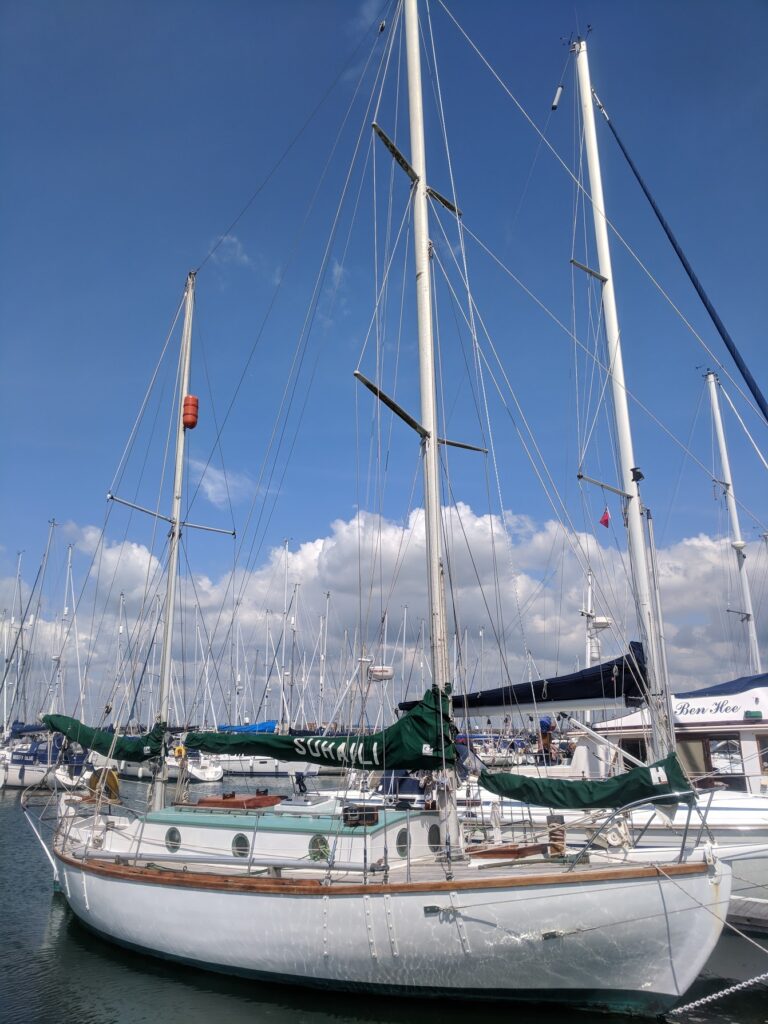
Credit line: Photo: Thomas Keyser, CC BY-SA 4.0, via Wikimedia Commons
Robin Knox-Johnston’s Suhaili — the little ketch that made him the first person to sail alone, nonstop, around the world in 1968–69 — spent much of that voyage actively trying to sink. Her hull seams opened up early in the trip, so Knox-Johnston went over the side in open ocean, ducking under the hull between waves, to caulk the leaking seams by hand with cotton — while keeping an eye out for sharks.
When his self-steering gear died with most of the world still to sail, he rebalanced the boat’s sails until she steered herself and carried on for thousands of miles. Ten and a half months of continuous jury rig, in other words — which may be why sailors still speak his name in a slightly lowered voice.
8. The raft patch that held for 33 days
Steven Callahan’s sloop sank under him in the Atlantic in 1982, and he survived 76 days in a five-and-a-half-foot inflatable raft — spearing fish, distilling water with solar stills, navigating by the stars. Then, with weeks still to drift, his spear gun punctured the raft’s bottom tube. A hole in your raft, a thousand miles from shore, is about as bad as bad gets.
Callahan spent days engineering a plug-and-lashing patch from the junk drawer of his survival kit — twisting the tear closed around an improvised plug and lashing it tight — then re-inflating and re-tending it, over and over, for 33 more days until fishermen off Guadeloupe found him. The most valuable tool aboard, he later said, was stubbornness.
9. The carpenter who made a lifeboat into a legend
The granddaddy of them all. When Ernest Shackleton’s ship Endurance was crushed by Antarctic ice in 1915, the crew’s only hope was to sail a 22-foot open lifeboat, the James Caird, across 800 miles of the worst ocean on the planet to South Georgia Island. The ship’s carpenter, Harry McNish, rebuilt that little boat on the ice with salvage: he raised her sides, decked her over with sledge runners, packing-case lids, and canvas, and caulked the seams with lamp wick, oil paint, and seal blood.
Six men sailed her through hurricane-force seas and made their landfall. Every man of the expedition survived. The James Caird still exists — and she’s still, essentially, a jury rig that happened to become one of the most famous boats in history.
What every one of these has in common
Not one of these sailors had the right part aboard. What they had was time, junk, and the refusal to stop thinking. That’s the real lesson I’ve absorbed in a decade of living aboard: the boat that gets home isn’t the one with the biggest spares locker. It’s the one whose skipper looks at a broken thing and asks “okay — what does this want to be?”
Now it’s your turn: what’s the best jury rig you’ve ever made — or seen — with your own eyes? Hose clamps, duct tape, and questionable lashings all count. Tell me the story in the comments.
SOURCES
- Colman: Sail Magazine — sailmagazine.com/racing/conrad-colman-finishes-vendee-globe-jury-rig-video; Sailing World — sailingworld.com/racing/colman-sails-to-vendee-globe-finish-under-jury-rig/ (verified 7/31)
- Autissier: Sports Illustrated Vault — vault.si.com/vault/1998/10/05/alone-and-in-harms-way; Cape Horners — capehorners.org/isabelle-autissier/ (verified 7/31)
- McGuckin/Tomy: 2018 Golden Globe Race coverage (goldengloberace.com archives; surfaced in 7/31 search via race reports)
- Sato: Newsweek — newsweek.com/california-man-kai-sato-lost-sea-hawaii-rescue-12249062 (verified 7/31; matches our 7/26 TSL news package)
- Ashcraft: her memoir “Red Sky in Mourning” / the film “Adrift” (standing references; details conservative)
- Smeetons: Miles Smeeton, “Once Is Enough” (standing reference)
- Knox-Johnston: “A World of My Own” and Golden Globe 1968-69 histories (standing references)
- Callahan: his memoir “Adrift: 76 Days Lost at Sea” (standing reference)
- James Caird: Shackleton expedition histories; Caird preserved at Dulwich College (standing reference; launch photo is public domain)