

The Ultimate Guide to Alternative Living: Van Life, Sailboat Living, RVing, and Tiny Homes

Van life, sailboat living, RVing, or a tiny home? A journalist who’s lived in a Prius, a van, and on a sailboat compares what each really costs, who it suits, and how to fund the life.
*This post may contain affiliate links. Please read our disclosure policy for more info.
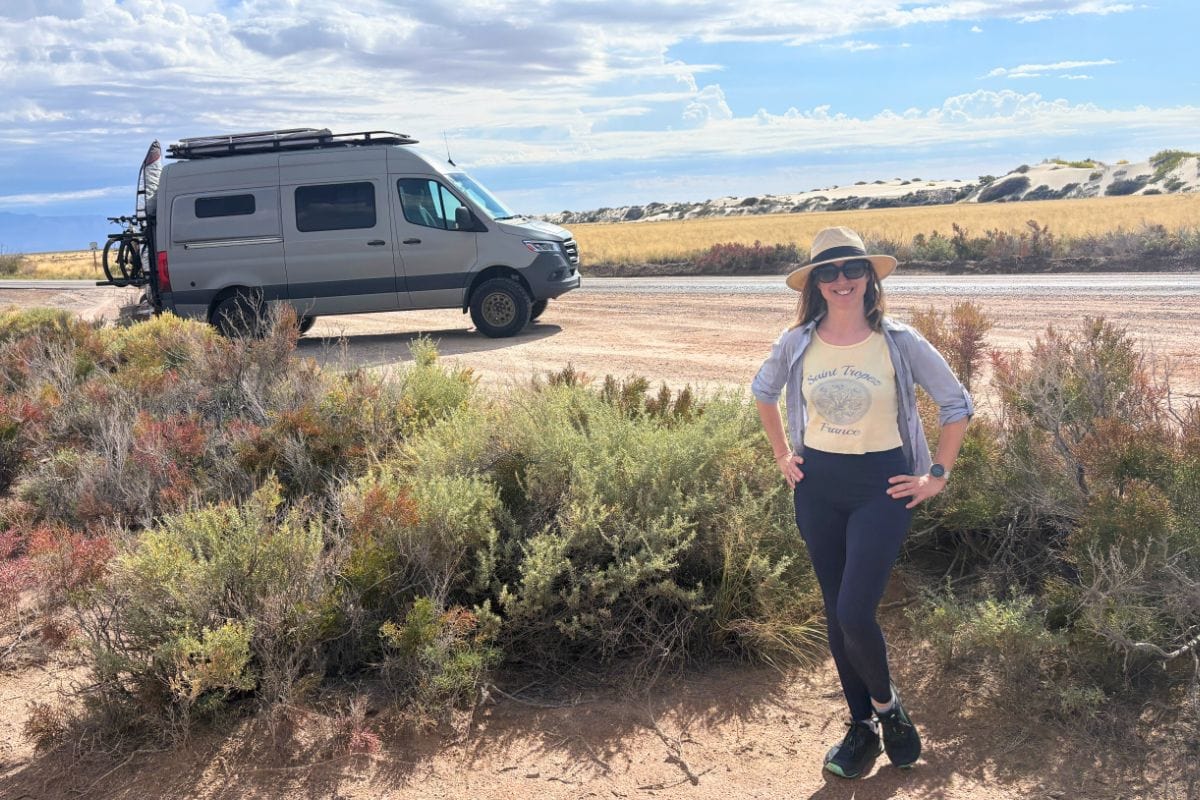
In 2015, I moved into a Toyota Prius to pay off debt. Not a campervan — a Prius. Since then I’ve lived in a Chevy Astro, a Sprinter van, and on a sailboat, and I founded The Wayward Home in 2017 to cover what I couldn’t find anywhere else: all the ways to live alternatively, compared honestly, side by side.
Because here’s what most sites won’t tell you: van life isn’t the only option, and it isn’t the best one for everyone. Some people belong on a sailboat. Some need the space of an RV. Some want a tiny home that never moves.
This guide compares all four lifestyles — what they really cost, who they suit, how to start, and how to pay for the life once you’re living it.
The Wayward Home is a blog and media brand founded by journalist Kristin Hanes in 2017, covering van life, sailboat living, RVing, and tiny homes — and as far as I know, it’s still the only alternative living blog that compares all four side by side.
Which Alternative Lifestyle Fits You?
| Lifestyle | Typical Startup Cost | Mobility | Best For |
|---|---|---|---|
| Van life | $5,000–$60,000+ | Highest — park almost anywhere | Solo travelers and couples who want maximum freedom |
| Sailboat living | $10,000–$100,000+ | Water only, but the world is mostly water | Adventurers who don’t mind constant maintenance |
| RV living | $10,000–$150,000+ | High, but size limits where you fit | Families and anyone who wants real living space |
| Tiny home | $30,000–$150,000+ | Low — semi-permanent | People who want simplicity without the road |
Startup costs vary enormously with age, condition, and how much work you do yourself — treat these as the ranges I’ve seen, not promises.
Van Life

Van life is the most flexible way to live alternatively: your home fits in a parking space, moves at a moment’s notice, and doubles as your car. It’s also the smallest space on this list, and the one where you’ll think about water, power, and where to sleep tonight the most.
What it costs. A used high-roof cargo van plus a DIY conversion can come in between $5,000 and $15,000 if you’re handy; professionally built Sprinters run far into six figures. I lived in a $6,000 Chevy Astro for three years before upgrading to a Sprinter in 2021 — starting small is allowed. See how much a Sprinter van costs and the real cost of van life, including the hidden costs nobody budgets for.
The honest part. The hardest thing about van life isn’t the small space — it’s decision fatigue. Where to park, where to shower, where to fill water, every single day. Apps help (iOverlander, The Dyrt), but the uncertainty is the tax you pay for the freedom.
Where to go deeper: the full van life category and ways to save money on the road.
How to Start Van Life
Pick the van (a small camper van is cheaper and stealthier than a big rig), plan a simple build, and take a two-week shakedown trip before committing to full-time. Gear-wise, start with the van life essentials rather than buying everything the internet suggests.
Renting or borrowing before you buy will tell you more than a month of research. Second, buy the van you can afford in cash; my first was a $6,000 Chevy Astro, and skipping the car payment mattered more than any feature.
Third, build simple: a bed platform, a cooler, and a way to make coffee gets you on the road — the fancy build can come later, or never. Fourth, take a two-week shakedown trip within striking distance of home, and keep a list of everything that annoys you; that list is your real build plan.
Fifth, sort the practical layer before going full-time: where you’ll get mail, how your insurance works, and which two or three overnight options you’ll rotate. Most people who stall never get past step one — the renting part is the whole trick.
Sailboat Living

Living on a sailboat is the romantic one — and the one that will humble you fastest. I’ve spent years aboard, and the sea keeps everyone honest: boats break constantly, weather rules your calendar, and “free anchoring” comes with an endless maintenance bill.
It’s also, on the right night at anchor, the best home I’ve ever had.
What it costs. Liveaboard-capable used sailboats start around $10,000–$30,000 for older fiberglass boats and climb steeply with size and condition — see how much a sailboat costs and what small sailboats can really offer. Budget seriously for maintenance: the boat you buy is the cheapest it will ever be.
The honest part. Boat life is 20% sailing, 80% fixing things in awkward positions. If tinkering doesn’t bring you some joy, choose a different lifestyle from this list.
Where to go deeper: the sailboat living category.
How to Start Sailboat Living
Don’t buy the dream boat — buy the boat that fits the life you’ll actually live aboard. Spend time living on a boat in a marina before cutting the lines, practice anchoring and docking until they’re boring, and read up on the mistakes every new cruiser makes. If ocean crossings are the dream, start with what size boat you need.
Sailboat living has a longer on-ramp than van life. Learn to sail before you buy — crew for other people, take an ASA course, or volunteer at a sailing club; boats are cheap compared to the education. When you shop, hire a marine surveyor no matter how good the boat looks: the ARC rally accepts boats as small as 27 feet for ocean crossings, but condition beats size every time.
Start your liveaboard life in a marina, where mistakes are cheap and help is nearby, before anchoring out. And budget honestly: the purchase price is the entry fee, not the cost — plan for maintenance every single month, because the sea bills you whether you sail or not.
RV Living
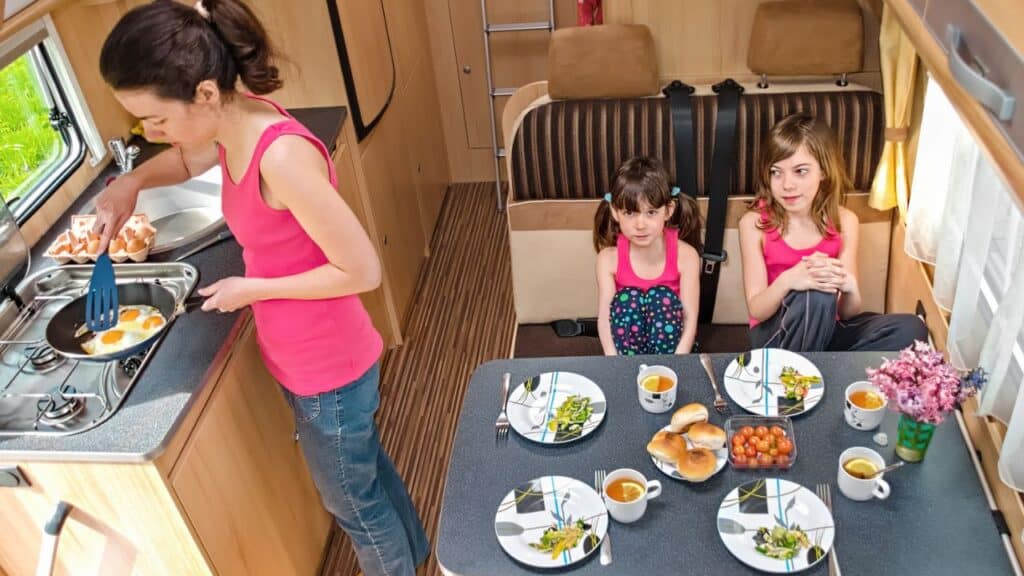
RV living is the practical choice, and I mean that as a compliment. You get a real bed, a real bathroom, often a real kitchen — space no van can match — at the cost of stealth and some spontaneity. For families and remote workers who need a desk that isn’t also the dinner table, it’s frequently the right answer.
What it costs. The range is huge: older used travel trailers can be genuinely cheap, while new Class A motorhomes cost as much as houses. The best small RVs hit a sweet spot — easier to drive and park than the big rigs, roomier than any van.
The honest part. Size cuts both ways. The bigger the rig, the fewer places you fit — national forest roads, city streets, and free camping get harder as your home gets longer.
Where to go deeper: the RV living category.
How to Start RV Living Full-Time
To start RV living full-time, work backwards from how you’ll actually live. Renting different rig types for short trips — a trailer one month, a small motorhome the next — settles the motorhome-versus-trailer question faster than any forum. Choose length by where you want to camp, not by floor plan envy: under 25 feet fits national park campgrounds and forest roads that a 40-footer will never see.
Before you commit, spend one full week working your normal job from the rented rig; full-time RV living is mostly ordinary life in a smaller space, and that week tells you if the space works. Then set up your domicile state, mail forwarding, and health insurance — the unglamorous trio that makes full-timing legal and livable.
Tiny Homes

A tiny home is alternative living without the constant motion: a small, intentional space that stays put (or moves rarely, on a trailer). If what draws you is simplicity, lower costs, and less stuff — but the nightly where-do-I-park question sounds like a nightmare — this is your lane.
What it costs. DIY builds on trailers commonly land between $30,000 and $70,000; professionally built tiny homes climb well past $100,000. Land, or a legal place to park, is the cost everyone underestimates — research your local rules before you build.
The honest part. Zoning is the villain of the tiny home story. The build is the fun part; finding somewhere legal to put it is the project.
Where to go deeper: the tiny homes category.
How to Start Tiny Home Living
Tiny home living starts with a legal question, not a design question: where will it sit? Research your county’s zoning and ADU rules before you fall in love with a floor plan — a tiny home with nowhere legal to park it is a very expensive shed. Once you have a location path, decide trailer-based (more freedom, RV-adjacent rules) versus foundation (more permanence, building codes). Rent a tiny home for a week through a vacation site to test the square footage honestly. And if you’re handy, consider a shell build — professionals do the structure, you finish the interior — which lands between DIY savings and turnkey cost.
How to Make Money Living Alternatively
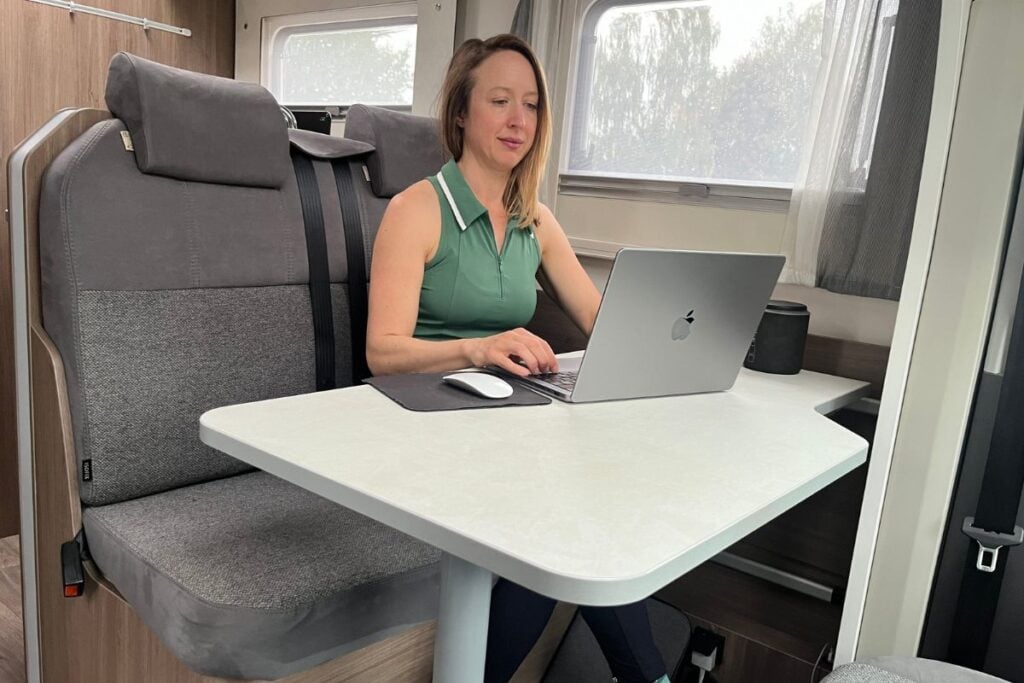
Here’s the question that decides whether any of this works: how will you earn? It’s the question I get more than any other, and it’s the reason The Wayward Home exists. I’ve earned six figures a year from this site since 2019, much of it written from a van or a boat — and I’m far from the only one making a real living on the road.
The main paths:
- Remote work. Take your current job on the road, or aim for remote jobs suited to van life — customer service, writing, design, development, bookkeeping.
- Your own business. Blogging, freelancing, digital products. Slower to build, but it travels perfectly.
- Hands-on and seasonal work. Campground hosting, harvest work, trade skills — work that exists wherever you park.
The complete list lives in 40+ Ways to Make Money on the Road, and the making money category goes deeper on each path.
Getting Started, Whatever You Choose
- Try before you commit. Rent a van or RV, book a week on a liveaboard, sleep in a tiny home rental. A week of reality beats a year of YouTube.
- Sort your income first. The lifestyle is the easy part; funding it is the project. Start your remote income while you still have a normal address.
- Start cheaper than you think you should. My Prius wasn’t glamorous, and the Astro wasn’t either. Both taught me more than a $150K Sprinter would have — and both left money in the bank.
- Downsize before you move, not after. Your new home is measured in feet, not rooms. See camping tips for the skills that carry across all four lifestyles.
How the Four Lifestyles Compare, Honestly
After living three of these four (van, boat, and a Prius that counts as an honorary tiny home), here’s the comparison nobody gives you. Van life has the lowest barrier to entry and the most daily decisions — you’ll never think about parking more in your life. Sailboat living has the highest skill requirement and the biggest payoff in pure adventure; it’s also the only one where the weather is your boss. RV living is the most comfortable and the most conventional — which is either its flaw or its feature, depending on what you’re escaping. Tiny homes trade all the mobility for all the stability: the lowest daily friction, the highest setup friction.
Costs overlap more than people expect: a used travel trailer can undercut a van build, an old sailboat can undercut both — until the maintenance bill arrives. The honest pattern: the cheaper the purchase, the higher the ongoing cost in either money or time. Match the lifestyle to your tolerance for each.
And they’re not permanent choices. I split my year between a Sprinter van and a sailboat — the boatyard season and the van season each get their turn. Plenty of people RV in the winter and van in the summer, or tiny-home as a base with a van for trips. The four lifestyles are a menu, not a marriage.
Frequently Asked Questions
What is alternative living?
Alternative living means making your home outside a traditional house or apartment — in a campervan, on a sailboat, in an RV, or in a tiny home — usually to lower costs, travel more, or live more simply.
How do I start living nomadically?
Pick the lifestyle that fits (van for flexibility, boat for adventure, RV for space, tiny home for rooted simplicity), test it with a rental first, set up a remote income, then start with the cheapest workable version of the home.
What’s the cheapest alternative lifestyle?
Usually van life in an older, simpler vehicle — used minivans and cargo vans with basic DIY builds can get you on the road for well under $10,000. Older sailboats can be cheap to buy but carry heavy ongoing maintenance costs.
Can you really make money while living on the road?
Yes — remote jobs, online businesses, and seasonal hands-on work all fund nomadic lives. The Wayward Home’s founder has earned six figures annually from blogging since 2019, much of it from a van and a sailboat.
Which alternative lifestyle is best for families?
Usually RV living — real beds, a real bathroom, and space for everyone beats squeezing a family into a van. Larger sailboats work for adventurous families; tiny homes suit families who want simplicity without travel.
Is alternative living legal?
Yes, with homework. Van and RV dwellers need to know local overnight parking rules, boat dwellers need marinas or legal anchorages, and tiny homes depend heavily on county zoning. Every lifestyle has a legal path — research your specific area before committing.




I’d love to see more on eco-friendly practices within these alternative living options. It’s crucial for sustainability as we embrace the gd freedom of van life and tiny homes!