

7 Smart Ways to Find Campsites Near National Parks

After years on the road in my campervan, these are the go-to tricks that help me camp close to the action—even when everything looks booked.
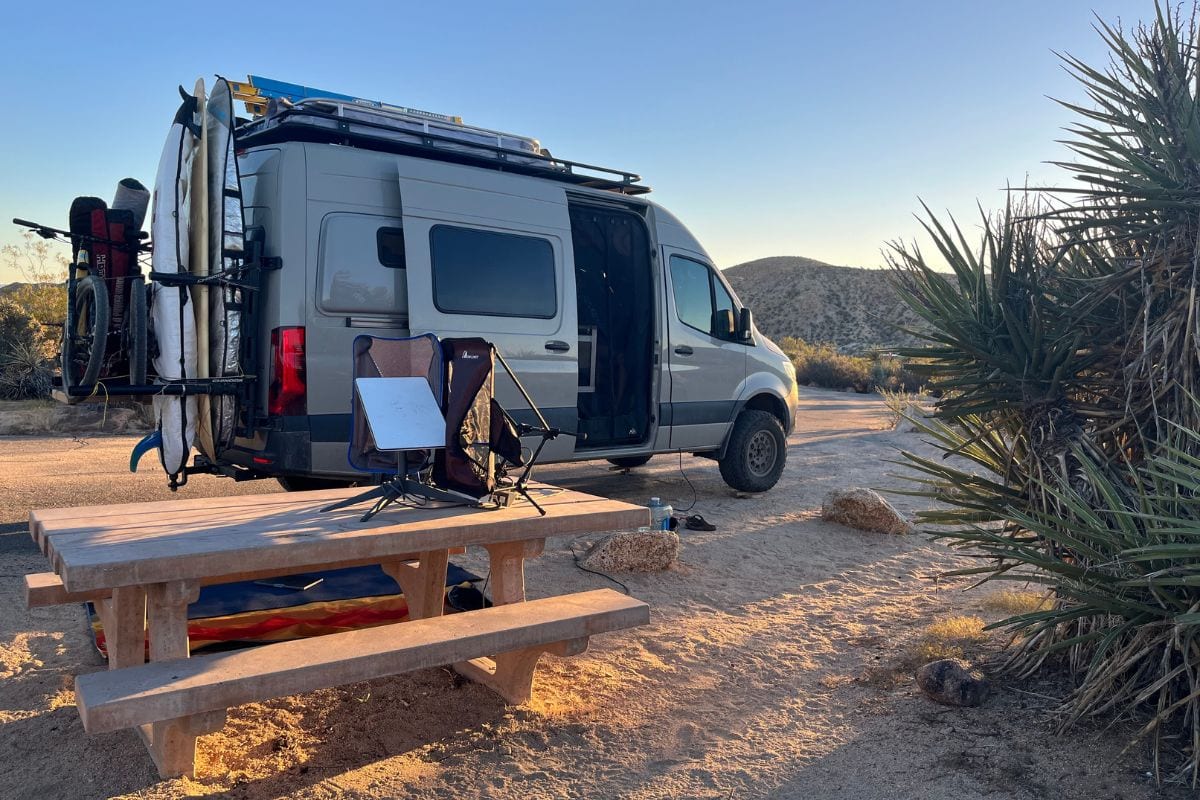
*This post may contain affiliate links. Please read our disclosure policy for more info.
Finding a campsite near a national park can feel like trying to win the lottery. One minute you’re dreaming of watching sunrise over Glacier or cooking dinner beneath the red rocks of Zion, and the next, you’re scrolling reservation sites wondering if your only option is a Walmart parking lot three towns over.
National Parks are a hot commodity in this country: In 2024, the National Park Service recorded a record-breaking 331.9 million recreation visits, surpassing the previous all-time high set in 2016.
Even traditionally quieter months are now getting crowded, with 55% of parks reporting above-average visitation between February and June, and again October through December. Translation? No matter when you hit the road, planning ahead is more important than ever.
Luckily, if you’re dying to visit a national park and just can’t score a campsite, here are some tips to get you going!
1. Book Private Land Near the National Park
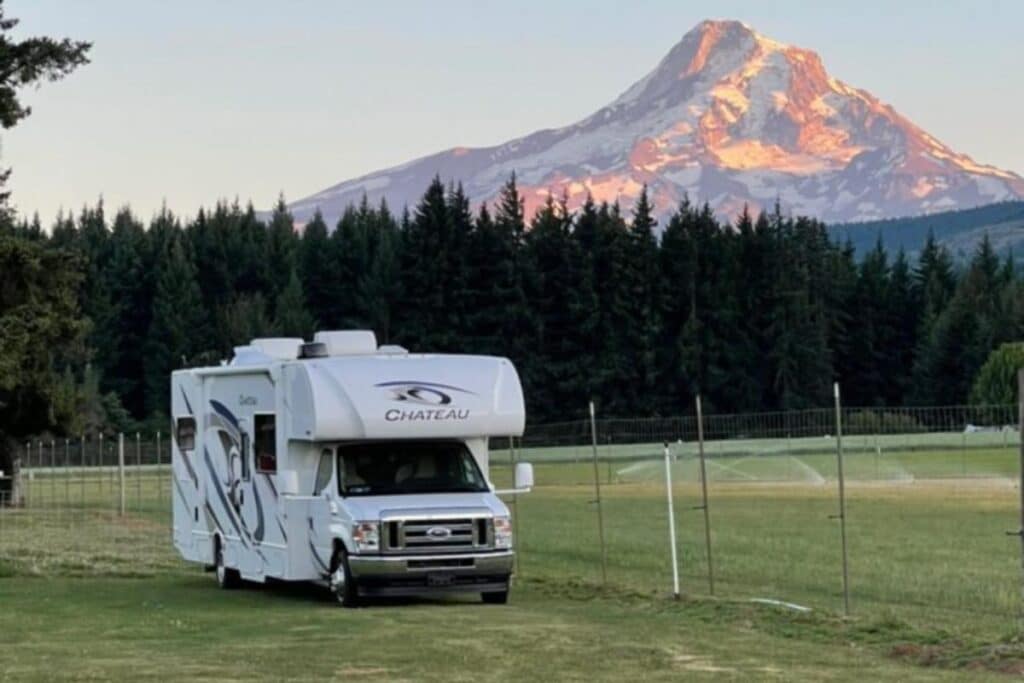
Sometimes, the easiest way to skip the reservation madness is to bypass traditional campgrounds altogether. Platforms like Hipcamp, Harvest Hosts, or Harvest Hosts + Boondockers Welcome Landing Page” data-type=”lasso-urls” data-id=”5697″ data-lasso-id=”207884″ rel=”nofollow sponsored noopener” target=”_blank” data-lasso-name=”Boondockers Welcome” data-lasso-lid=”5697″>Boondockers Welcome are lifesavers for finding legal, private places to park near national parks.
Harvest Hosts, in particular, offers camping on vineyards, farms, golf courses, and historic sites.
These spots often have more flexibility, fewer crowds, and the kind of charm that big public campgrounds can’t always offer.
While spots like this won’t be actually be at a national park, you might get close enough to take a day trip to hikes and other sites.
2. Set Up Alerts for Sold-Out Campgrounds

National park sites book up fast…..sometimes within minutes. But just because a campground is “full” doesn’t mean you’re out of luck. People cancel trips all the time.
The Dyrt Pro’s Dyrt Alerts allows you to set up alerts at popular national parks across the U.S. You’ll be notified immediately if someone cancels.
Click here to try a free 30-day trial of The Dyrt Pro.

Grab a 30-Day Free Trial of The Dyrt Pro just in time for summer. Here are some perks:
- 5,000+ free camping locations
- 1,000+ discounted campgrounds
- $0 extra camping booking fees
- Get reservations at sold-out campgrounds
Try it for free, no strings attached — use code “wayward” to get 30 days free.
3. Look for First-Come, First-Served Campgrounds
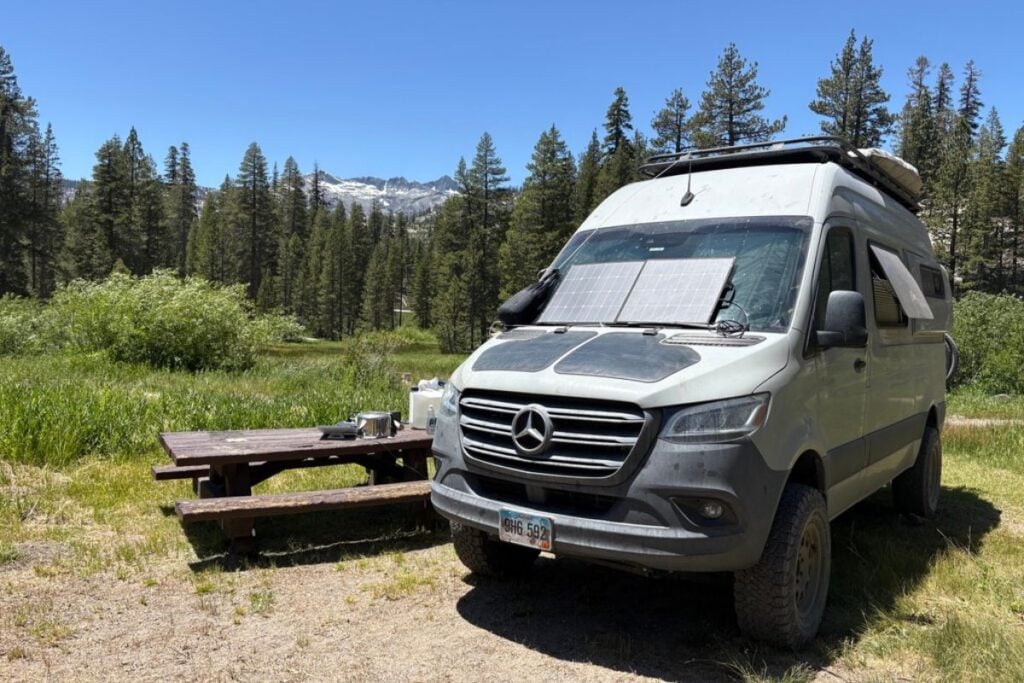
Not all campsites require reservations. Many smaller or more remote forest service campgrounds around national parks are first-come, first-served, which can work beautifully if you arrive early and are a bit flexible.
We just stayed at a lovely Forest Service campground near Devil’s Postpile National Monument for just $32 per night. I know this isn’t a national park, but many of these also exist NEAR national parks.
I’ve found some of my favorite campsites this way. No apps, no advance booking, just showing up and hoping for the best. The key is arriving in the morning (and having a Plan B, just in case).
Parks like Bryce, Sequoia, and Lassen still offer plenty of these options.
4. Try Dispersed Camping (Especially in a Van)

Dispersed camping, or boondocking, might be your best friend if you can’t snag a campground reservation within a national park. This is free camping on national forest or BLM land, usually just outside the park boundaries.
Some of my favorite nights on the road were spent on quiet forest roads near Grand Canyon National Park and Sequoia National Park. Just make sure you follow Leave No Trace and check local regulations; dispersed camping isn’t allowed everywhere.
I love using apps like iOverlander and The Dyrt Pro to find dispersed camping areas near national parks.
5. Check State Parks and County Campgrounds

This is one of the most underrated tips. State parks and regional campgrounds near national parks are often just as scenic, with fewer crowds, and they’re way easier to book.
If you want to go to Arches and can’t get in, for example, try Dead Horse Point State Park, which has gorgeous views and isn’t too far away.
Don’t forget about county or city-run campgrounds, either. They’re often less polished, but super affordable and van-friendly.
6. Use Local RV Parks (When I Need a Shower or Wi-Fi)
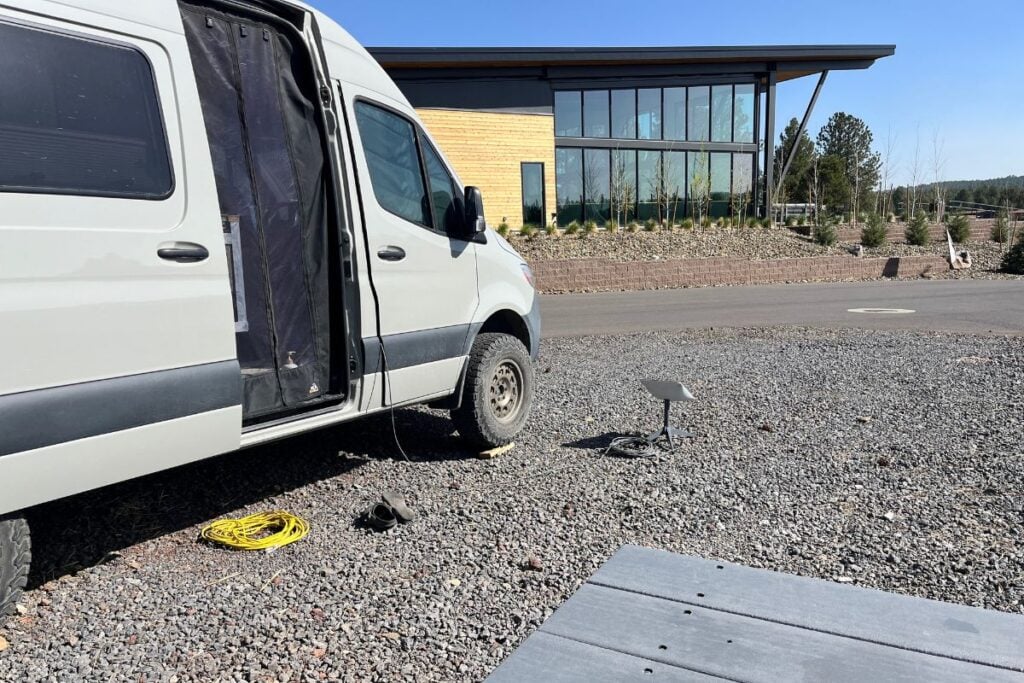
If you don’t mind RV parks and you have a newer vehicle, there are often many clustered near entrances of national parks.
Plus, this is a great place to take a hot shower, fill up your rig, and dump your trash. Some fancier RV parks even have hot tubs or other amenities like gyms.
It can feel like glamping compared to dispersed camping.
7. Travel in the Shoulder Seasons (Or Midweek)
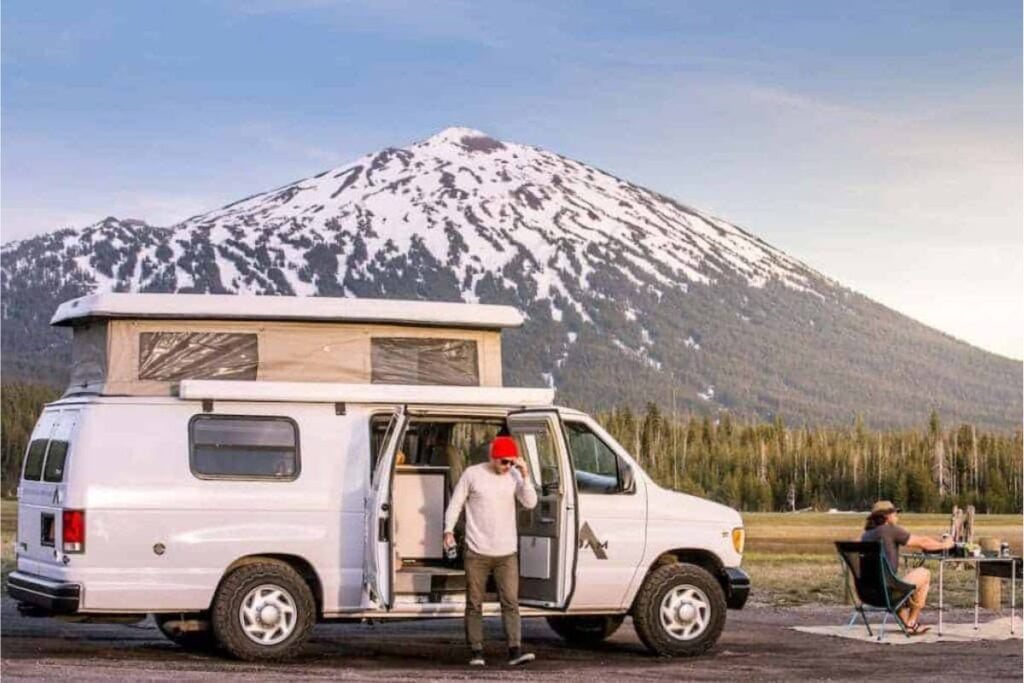
Timing makes a huge difference. If you can travel in spring or fall, or arrive midweek instead of on a Friday, your chances of finding a good spot go way up.
National parks are still beautiful in the off-season. In fact, I personally prefer visiting in October or May, fewer people, cooler temps, and better chances of snagging an open site without all the stress.
8. Don’t Overlook National Monuments and State Parks

If the big-name parks are fully booked, consider nearby national monuments, national preserves, or lesser-known NPS units. They’re often just as stunning—without the crowds or competition for campsites.
- Examples:
- Grand Staircase-Escalante National Monument (near Bryce and Zion)
- Organ Pipe Cactus National Monument (south of Saguaro)
- Chiricahua National Monument (Arizona’s “Wonderland of Rocks”)
- Craters of the Moon National Monument (Idaho)
- Castle Craggs State Park (California)
There are over 400 NPS-managed sites, and many fly under the radar. These spots can offer epic landscapes, easier camping, and a quieter, more peaceful experience—perfect for van lifers who love the road less traveled.
9. Consider Backpacking In
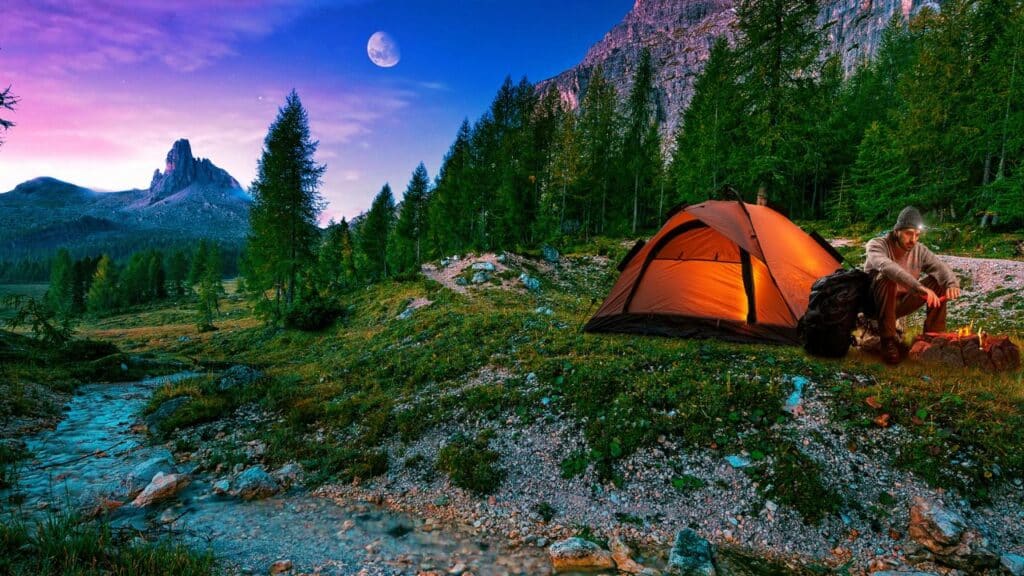
We love Yosemite National Park, but it’s hard to get a campsite during peak season. My partner Tom and I have often gotten backpacking permits to hike into amazing locations within this park, and this also means we can park for free at the visitor’s center or trailhead for our hike.
My Final Thoughts on Finding Campsites Near National Parks
Van life and national parks are a dreamy combo—but these days, that dream takes a little planning. Don’t be discouraged if you see “fully booked” everywhere. With the right tools, a flexible mindset, and a few backup plans, you can still score amazing places to stay—even on short notice.
Other posts to check out:


