I’ve Cooked on a Sailboat Stove Since 2016. These Are the Lazy Galley Meals Sailors Actually Make When Nobody Wants to Cook.

Twenty-six lazy galley meals from 48 sailors, sorted from no-cook to one-pot, with the two tricks that make lazy possible on a boat: the pressure cooker and the solar oven.
*This post may contain affiliate links. Please read our disclosure policy for more info.
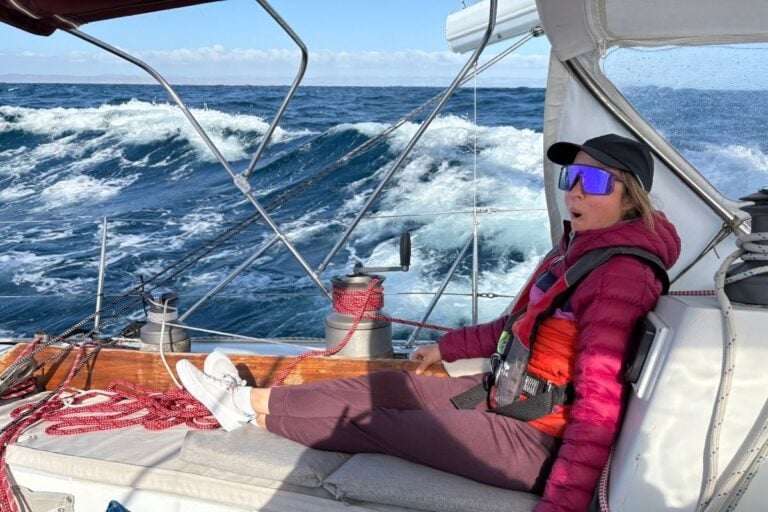
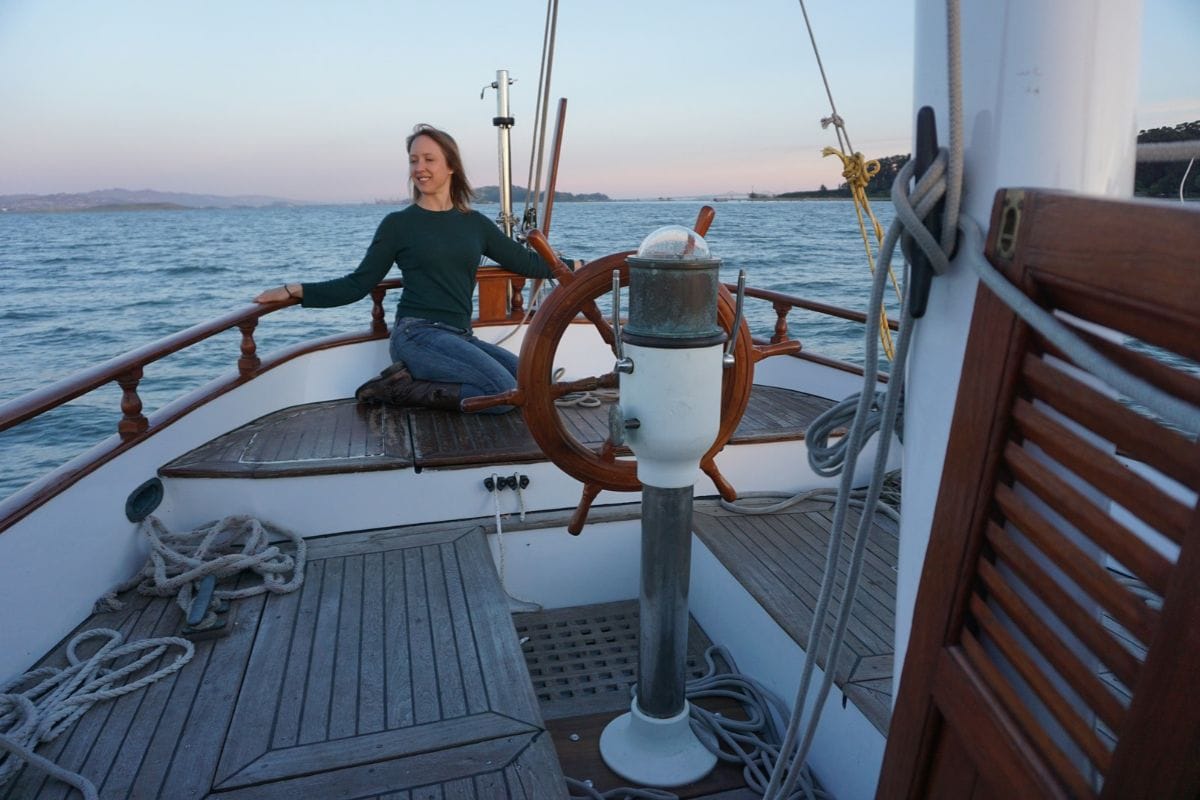
On a passage, making a cup of coffee is a choreography. I have stood my pour-over inside the big pressure cooker on the gimballed stove just to keep it upright while the boat rolled, and on those days dinner is whatever can be eaten with one hand while the other holds the rail.
So last week I asked the sailors who follow my Facebook page, That Sailing Life, what they eat when nobody feels like cooking, and 48 of them answered. The short version: sardines and crackers, ramen with something smoky in it, a can of ravioli at three in the morning, and more cheese than I expected. Twenty-six of their meals are below, sorted by how much effort they take, from none at all to one pot, with my own lazy-night rotation and the two tricks that make the laziest meals possible on our boat, the pressure cooker and the solar oven.
The honest catch is that a sailboat galley is a kitchen the size of a phone booth, built around a stove that swings, and lazy on a boat is not the same as lazy on land. Lazy here means one burner, one pot, nothing that slides, and nothing that needs the fridge to be colder than it is.
Why galley meals are lazy on purpose
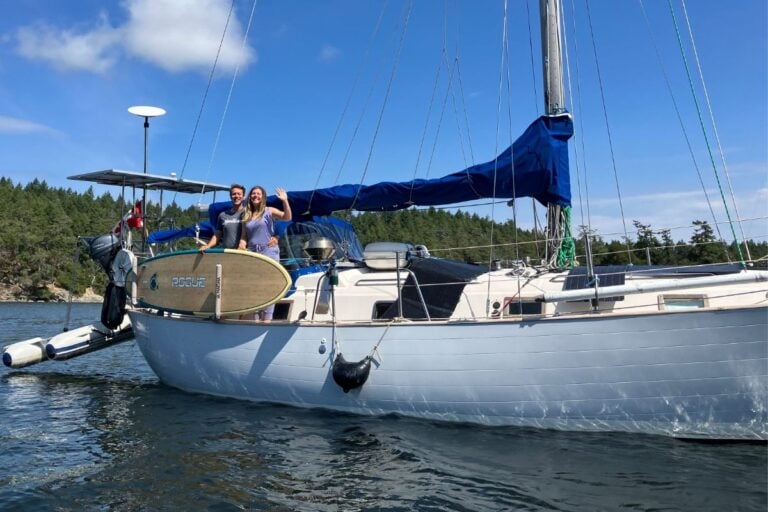
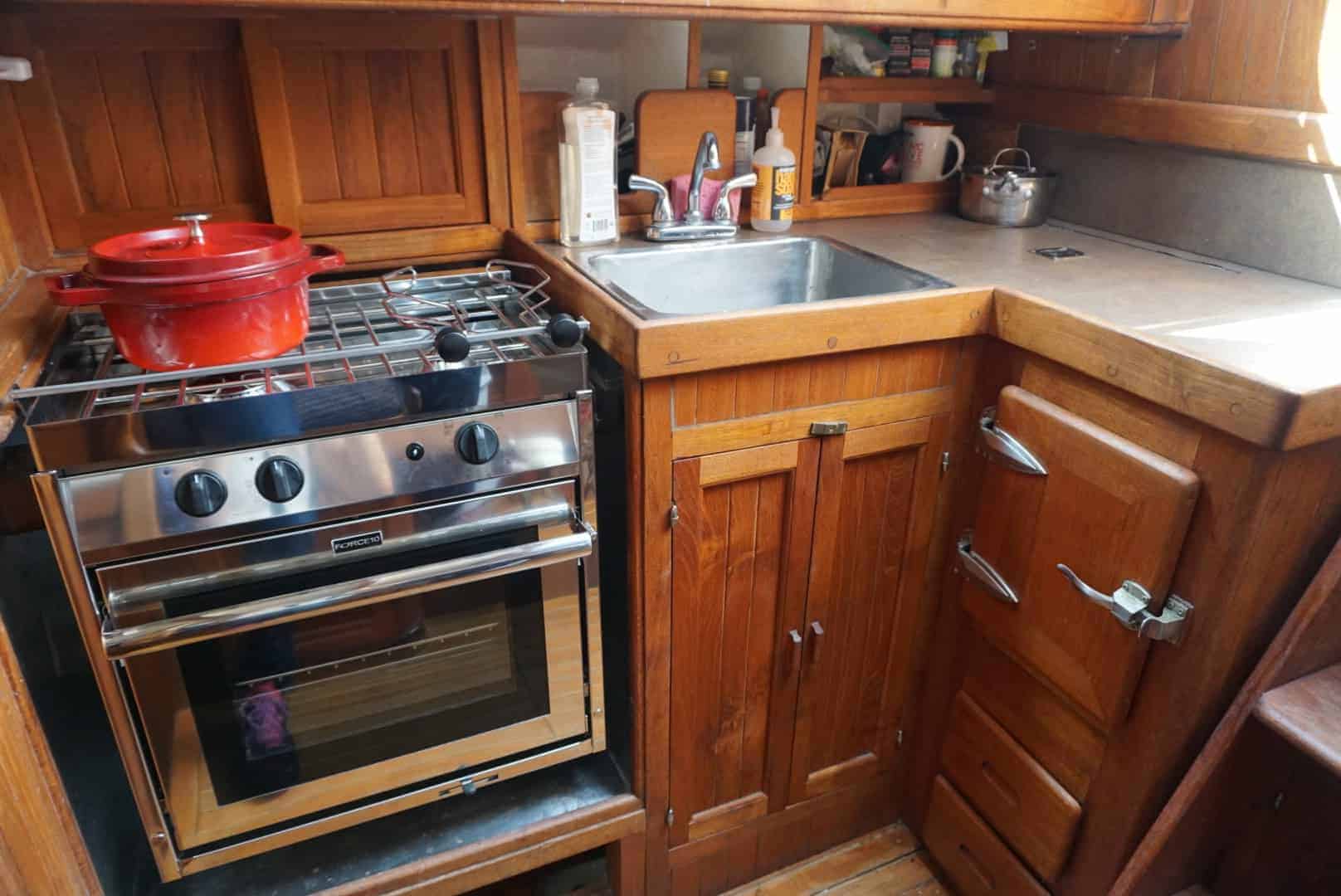
When Tom and I first moved aboard our 1972 ketch, we cooked on a Jetboil camp stove with a pan balanced on top. Now there is a Force 10 with an oven, a square of counter the size of a cutting board, and a bar across the front of the stove that is a pot holder and a handhold at once. In a swell you cook with one hand on it, which is the whole reason galley meals on passage are one-pot meals. At anchor I love cooking, especially under the companionway breeze. Underway, I want food that does not fight back.
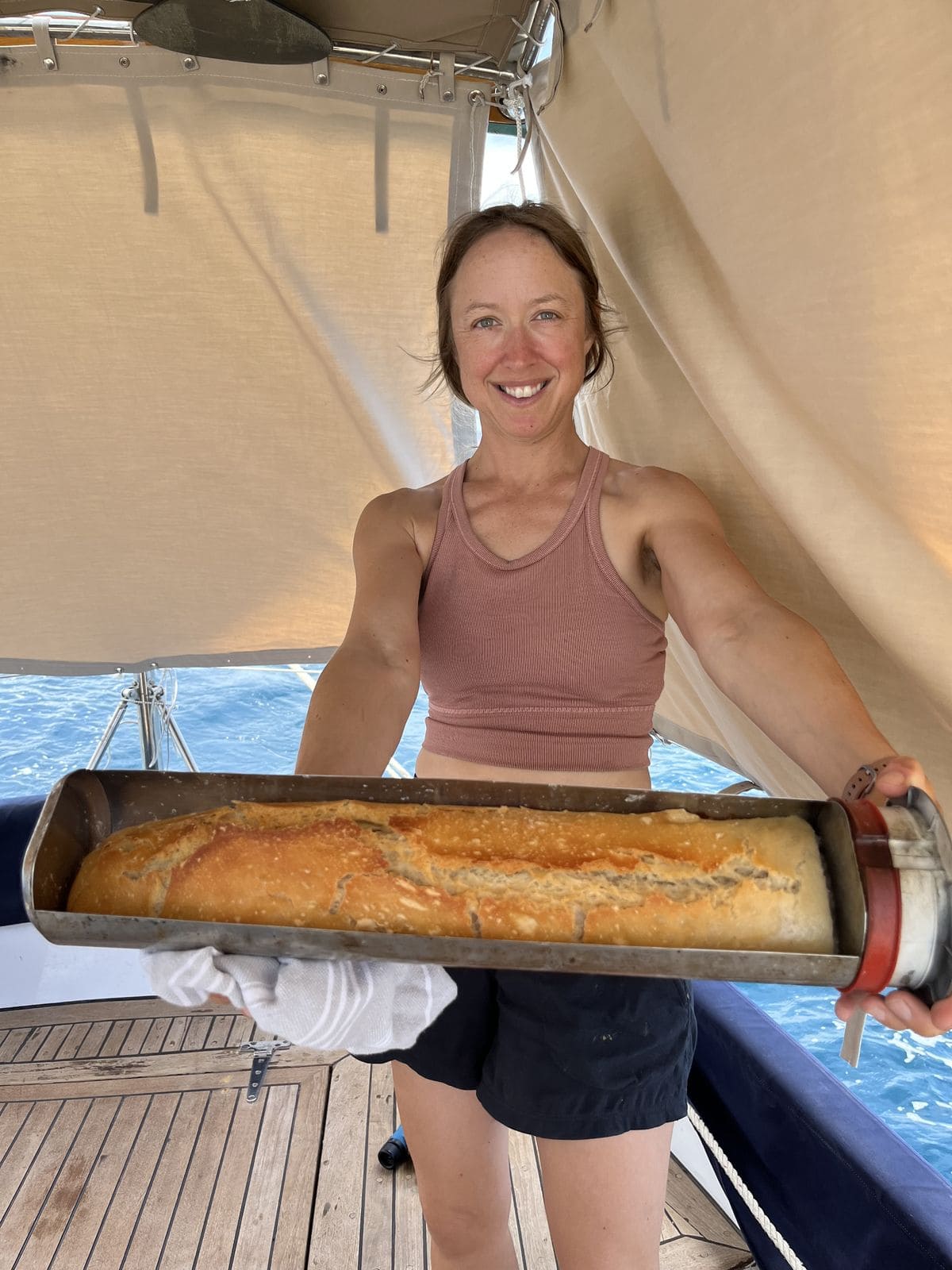
Two things make the lazy meals below possible on our boat. The pressure cooker is the most-used thing aboard: it uses less fuel, it does not spill when it is latched, and it turns dried beans into dinner on one burner. And the solar oven, which I swear by, bakes bread, heats a meal or slow-cooks a curry at anchor on nothing but sunlight, with no propane, no power draw and no heat in the galley. Everything that comes out of it is delicious, and nobody has to stand over it.
The no-cook plates sailors actually eat
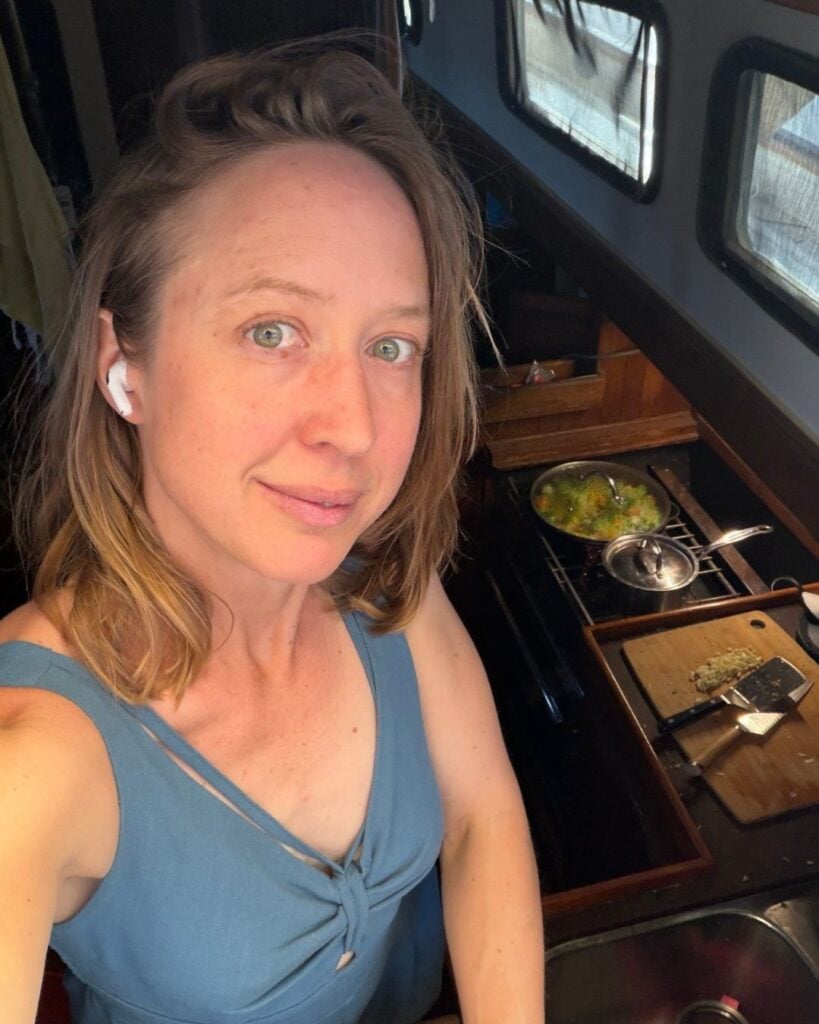
These need a knife at most. They came up more than anything else in the thread, and most of them are what I reach for when the boat is rolling.
1. Sardines and crackers. Named twice, and the first one I think of. A tin keeps forever, and a sardine on a cracker with hot sauce is a meal a sailor can eat standing up in the companionway.
2. Cheese, olives, sardines and crackers. The same idea with the olives, which is a charcuterie board for people who do not own a board.
3. Tuna salad on crackers. A pouch of tuna, mayonnaise if the fridge is cold enough, mustard if it is not.
4. Hummus. One reader’s entire answer, and fair: hummus and whatever is left of the crackers.
5. A tomato and cheese sandwich. Bread goes stale fast at sea, so this is a first-days-out meal.
6. Ham and cheese in a tortilla, rolled up. Tortillas outlast bread by a week and take up a tenth of the locker.
7. Peanut butter and jelly, or peanut butter and honey. Two readers, two spreads. Honey does not need the fridge.
8. Hard-boiled eggs, meat sticks and cheese crackers. Boil the eggs on a calm morning and the next two lunches are done.
9. Cheese, crackers and summer sausage. The sausage keeps without a fridge until it is opened, which is why it is on so many boats.
10. Plain yogurt with fruit, honey and granola. The breakfast that is also dinner.
11. Raw oats with raisins and almonds, covered with water. One reader’s exact instructions: “Wait five minutes. Eat.”
12. Tabouleh. Bulgur soaks in cold water, so this is a no-flame salad that keeps for days.
13. Conch salad. A Bahamas answer, and only lazy if you already have the conch.
14. Fresh mackerel with a dash of soy sauce. For the boats that fish. One reader’s version was sashimi dipped a few minutes in cider vinegar, with pistachios, pickled beets and dates, which is the most ambitious lazy meal in the thread.
One pot, one burner, one hand on the rail
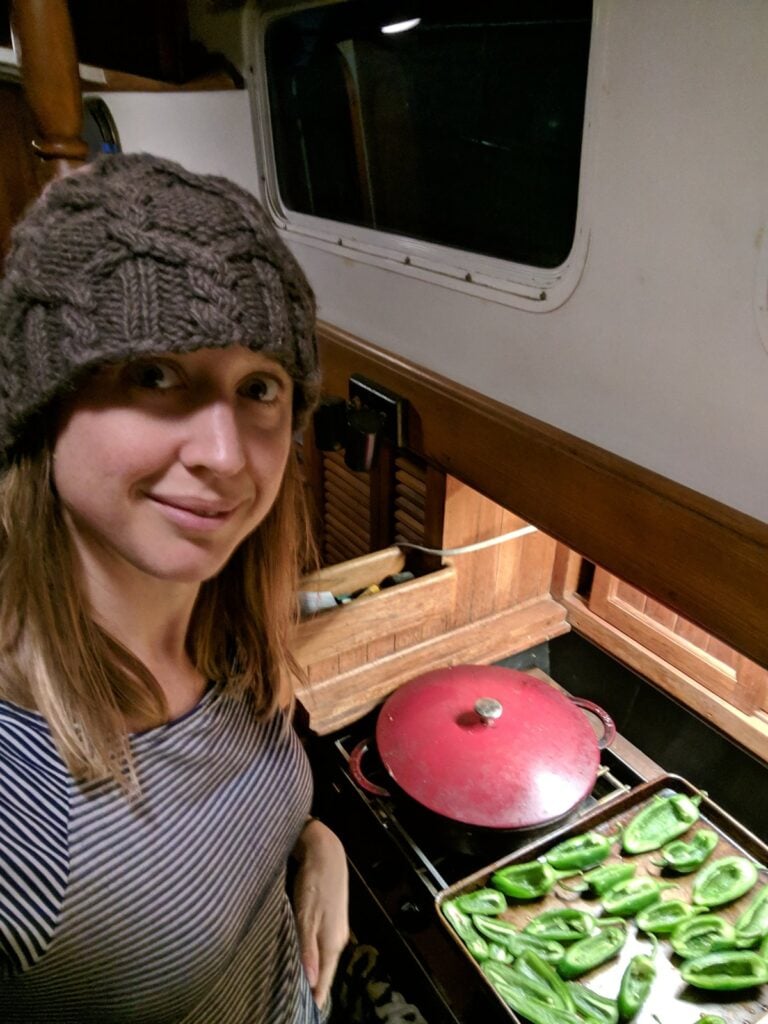
These need the stove, briefly, and nothing else. They are what we eat on passage, because a pot with a lid on a gimballed stove is the only cooking that works when the boat heels.
15. Ramen with chorizo, peppers and chili. “The chorizo makes a fantastic broth,” a reader wrote, and it does; the sausage fat is the whole recipe.
16. A pouch of jasmine rice, a can of chicken, Thai chili sauce, sesame seeds, soy. Heat the rice, stir in the rest. The reader who sent this prefaced it with “OK, you asked for the lazy meal.”
17. Chili garlic pasta. Pasta, olive oil, garlic, chili flakes, done.
18. Pasta or rice plus whatever is quick in the fridge. Three readers said some version of this, which makes it the real answer.
19. Beanie weenies, also known as hot dogs and baked beans. Named three times. Franks sliced into a can of beans, one pot, one burner.
20. A can of ravioli. One reader remembered a number-ten can of it on a Gulf of Mexico crossing, on dog watch at three in the morning: “It tasted sooooo good.” That is the whole philosophy of passage food.
21. Beef stew from a can. Dinty Moore, named twice, no apologies.
22. Canned corned beef. Fried in the pan or eaten cold with crackers.
23. Pork and beans from the can, a Spam sandwich and strong black coffee. One reader’s complete lazy menu, and an honest one.
24. Poached egg on toast, or an omelet. The egg is the galley’s great lazy protein; it keeps without refrigeration for weeks if it has not been washed and you turn the carton.
25. Grilled cheese, or a toastie in a toastie bag. A reader uses toaster bags so the galley stays clean, which is the laziest clever idea in the list.
26. Thai noodles, or a pot noodle. The instant kind, with a Mars bar, per one reader, for dessert.
Cook when you feel like it, eat when you don’t
The smartest answer in the thread was from a reader who defrosts what they cooked on a day they felt like cooking: poulet basquaise, beef bourguignon, chili. Boats with a freezer can run on this, and boats without one do the same thing with the pressure cooker: a pot of beans or a stew on a calm afternoon at anchor becomes three lazy dinners, and the latched lid means it rides out the next passage without painting the galley.
The GoSun solar oven does the same job with no fuel. Set it up in the cockpit at anchor, put in bread dough or a curry, and come back when it is done. On a hot day it is the only oven I will use, because the galley stays cool. And for the long passages where the fresh food runs out, sprouts in a mason jar on the counter are the only salad that grows on a boat; a friend gave me the seeds and the sprouting lids, and I keep them for exactly that week.
When it is rough
Several readers answered a different question, which is what they eat when they cannot cook at all. One keeps Ensure aboard for seasick days, because it is nutrition that goes down and stays down; I have been sick over the rail once in ten years, and I understand the logic. A bowl of cereal, a wedge of cheese, a handful of nuts, the Mars bar. And two readers answered “vodka and soda” and “rum and Oreos,” which I am including for accuracy and not as advice.
In port the lazy meal is takeout, and three readers said so without shame. Pizza on the dock after a passage is one of the tiny luxuries that feel huge out here, right next to the first calm night and the marina shower.
The galley rules that make lazy possible
Most of the laziness above depends on provisioning you did weeks earlier. Carolyn Shearlock of The Boat Galley taught me the rules I still use, and the eight galley mistakes she sees new sailors make is the long version. Do not buy six months of food before you leave the dock; most of us can shop every couple of weeks. Inspect produce like a hawk, because one bruised apple spoils the locker. Wrap cabbage in newspaper. Keep the fridge for what actually needs it, which is less than you think. And keep the pots that nest, the non-slip mats on the shelves, and the collapsible bowls, because the 26 boat hacks that make life afloat easier are mostly about the galley.
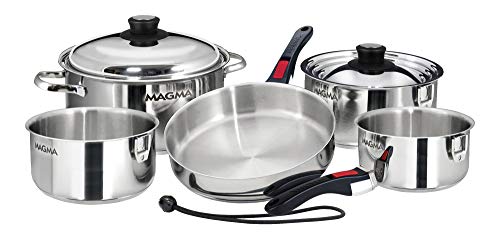
Her cookbook is the one I reach for when I do feel like cooking, and the nesting pots are the set other cruisers keep telling me about.
- Publisher : International Marine/Ragged Mountain Press; 1st edition (October 5, 2012)
- Language : English
- Paperback : 464 pages
- ISBN-10 : 0071782362
- ISBN-13 : 978-0071782364
- Item Weight : 15.9 ounces
- Dimensions : 6.3 x 0.8 x 9.3 inches

- Product Dimensions : 10.8 x 10.8 x 8 inches; 12.99 Pounds
- Item model number : A10-360L
- Oven safe to 500 degree F (260 degree C)
- Manufacturer : Magma
- This cookware set is not intended for use with induction cooktops, which require magnetic cookware.
- Brand: GOSUN
- Material: Blend
- Color: Stainless steel
- Item Dimensions LxWxH: 24 x 5 x 8 inches
- Item Weight: 3.6 Kilograms
- Cooks a meal in as little as 20 minutes, reaching temperatures up to 550°F (290°C) in full sunlight.

- Product Dimensions: 3.9 x 3.9 x 3.3 inches
- Item Weight: 2.88 ounces
- Manufacturer: Masontops

My own lazy rotation
For the record, since I asked everyone else: a pot of pressure-cooker beans with whatever vegetable is oldest, a tortilla with cheese warmed on the stove, oats in the morning, sardines on crackers when the boat is heeled, and coffee made standing up with one hand on the bar. In winter the galley is where we warm up, and the pressure cooker runs most nights. In summer the solar oven runs on the cockpit seat and I do not cook at all. Here is what the galley actually looks like, and here is the van’s version of this list, from the other half of the year.
What is your lazy galley meal? The thread is still open, and I am still taking notes.
Galley questions, answered
What do sailors eat on a passage when it is rough?
One-pot or no-cook food that can be eaten with one hand: ramen, a can of stew or ravioli heated in a pot with a lid, sardines or tuna on crackers, hard-boiled eggs made on a calm day, cheese and summer sausage. Seasick crew often keep a nutrition drink such as Ensure aboard because it stays down.
How do you cook on a sailboat when the boat is heeling?
On a gimballed stove, which hangs on pivots so it stays level, with pot clamps or a bar to hold the pot and one hand free for the boat. Lids on, one pot at a time, and a pressure cooker for anything that could spill, since a latched lid cannot slop when the boat rolls.
Is a pressure cooker worth having on a boat?
Yes. It uses less fuel than an open pot, it does not spill when latched, it turns dried beans and tough cuts into dinner on one burner, and a batch cooked at anchor becomes several lazy meals on passage. On many liveaboard boats it is the most-used thing in the galley.
What food keeps on a sailboat without a fridge?
Eggs that have not been washed and are turned regularly, hard cheeses and summer sausage until opened, cabbage and root vegetables, onions, tortillas, crackers, canned fish, beans and stews, oats, honey, peanut butter and rice. Sprouts grown in a jar give fresh greens on long passages.
What are easy no-cook meals for a boat?
Sardines or tuna on crackers, cheese and olives, hummus with crackers, tortilla roll-ups, peanut butter and honey, yogurt with fruit and granola, overnight-style oats soaked in cold water, tabouleh made with cold-soaked bulgur, and hard-boiled eggs cooked ahead. None needs the stove.
Sources: the question post on That Sailing Life, October 2026 (48 replies read in full, readers unnamed); the author’s own articles on her galley, galley mistakes (with Carolyn Shearlock of The Boat Galley) and boat hacks, linked above. Product boxes show current prices.