17 Sailing Myths That Are Actually True (And The Ones That Aren’t)

Are sailboats really slow? Is sailing only for rich people? Discover the truth behind 16 common sailing myths.
*This post may contain affiliate links. Please read our disclosure policy for more info.
After a decade of coastal cruising, offshore passages, and living aboard a sailboat, I have heard just about every sailing myth there is. Some contain a grain of truth, while others are little more than old sailors’ tales.
In this article, I separate fact from fiction by looking at some of the most common sailing myths, explaining which ones are true, which ones aren’t, and what every cruiser should know before heading out on the water.
Cost And Accessibility Myths
Myth 1: Sailing Is Only For Rich People ❌
There’s no denying that sailing can be an expensive hobby. Brand-new yachts, marina berths and high-end equipment can cost hundreds of thousands of dollars.
But there are many different ways to enjoy sailing. Some people own older boats that cost less than a family car, while others charter boats for vacations, join a sailing club, or crew for friends to enjoy life on the water without owning a boat at all.
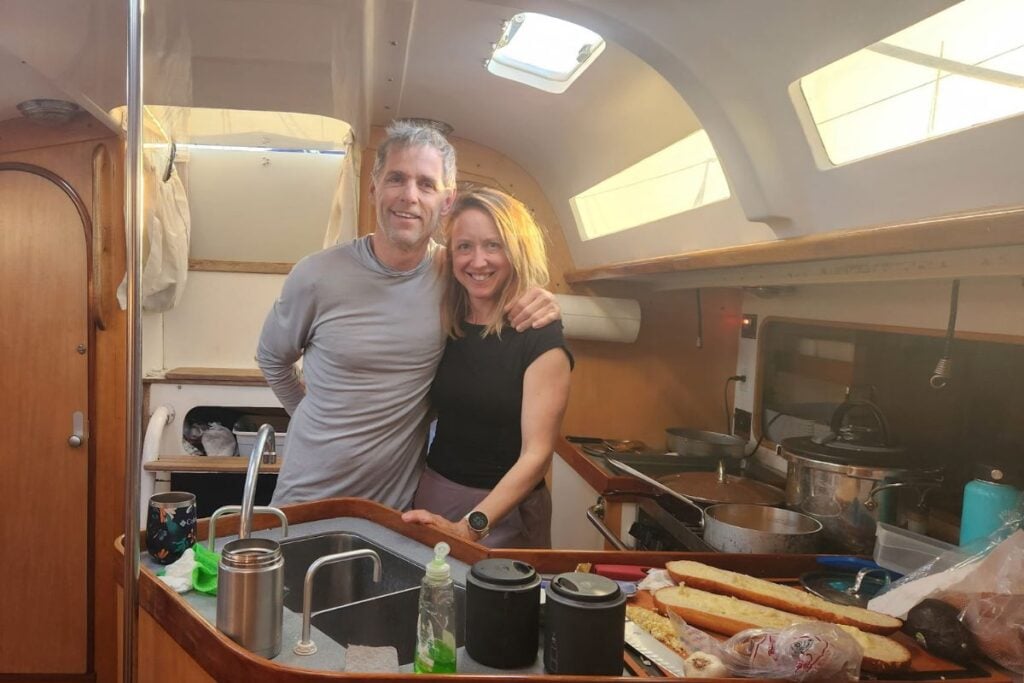
Like many hobbies, sailing can be as expensive as you choose to make it. For example, I cruise on a 1972 CT41 that cost a fraction of the price of a new yacht, and I live a deliberately simple lifestyle to make cruising affordable.
Myth 2: Sailing Is Free Because the Wind Is Free ❌
It’s true that the wind doesn’t cost anything, but that’s where the free part ends.
Owning a sailboat comes with a long list of ongoing expenses, including maintenance, insurance, marina or mooring fees, winter storage, fuel, repairs, and replacing worn equipment.
While sailing can be an affordable hobby, keeping a boat safe, reliable, and ready for the water is where most of the money goes.
I’ve yet to own a boat that didn’t have an ongoing to-do list. As soon as one job is finished, another one seems to appear. That’s just part of the sailing lifestyle.
Myth 3: Anchoring Is Always Free ❌

One of the best things about cruising is dropping the anchor in a beautiful bay and staying the night. And yes, in many places, it doesn’t cost a thing.
But some popular anchorages charge overnight fees, while others require you to use a mooring buoy or ban anchoring altogether to protect the seabed.
I’ve enjoyed plenty of free anchorages over the years, but I’ve also happily paid for a safe, well-protected spot when it made sense or it was worth it. Before dropping the hook, it’s always worth checking the local rules.
Sailing Skills And Boat Handling Myths
Myth 4: Sailboats Can Sail Directly Into the Wind ❌
No conventional sailboat can sail straight into the wind.
Every sailboat has a no-go zone where the wind is coming from directly ahead, making it impossible for the sails to generate enough power to move the boat forward.
Sailors travel upwind by sailing at an angle to the wind, then turning back and forth in a zigzag pattern that’s called tacking.
Modern cruising sailboats can usually sail within about 35 to 45 degrees of the wind. So while you can’t head straight upwind, you can still get where you want to go with a few extra turns.
I actually enjoy tacking. It might seem like a slower way to travel, but there’s something really satisfying about working with the wind instead of fighting it.
Myth 5: A Real Sailor Never Uses the Engine ❌
Every now and then, you’ll hear someone say that “real sailors don’t use the engine.” Don’t buy it.
There have been plenty of times when Tom and I have started the engine because it was simply the smartest thing to do. It’s helped us get safely in and out of marinas, motor through flat calms when there wasn’t enough wind to sail, and navigate narrow channels. That’s exactly what it’s there for.
We love sailing under sail as much as anyone, but we don’t see any prize for making life harder than it needs to be.
Myth 6: Sailboats Are Slow ✅
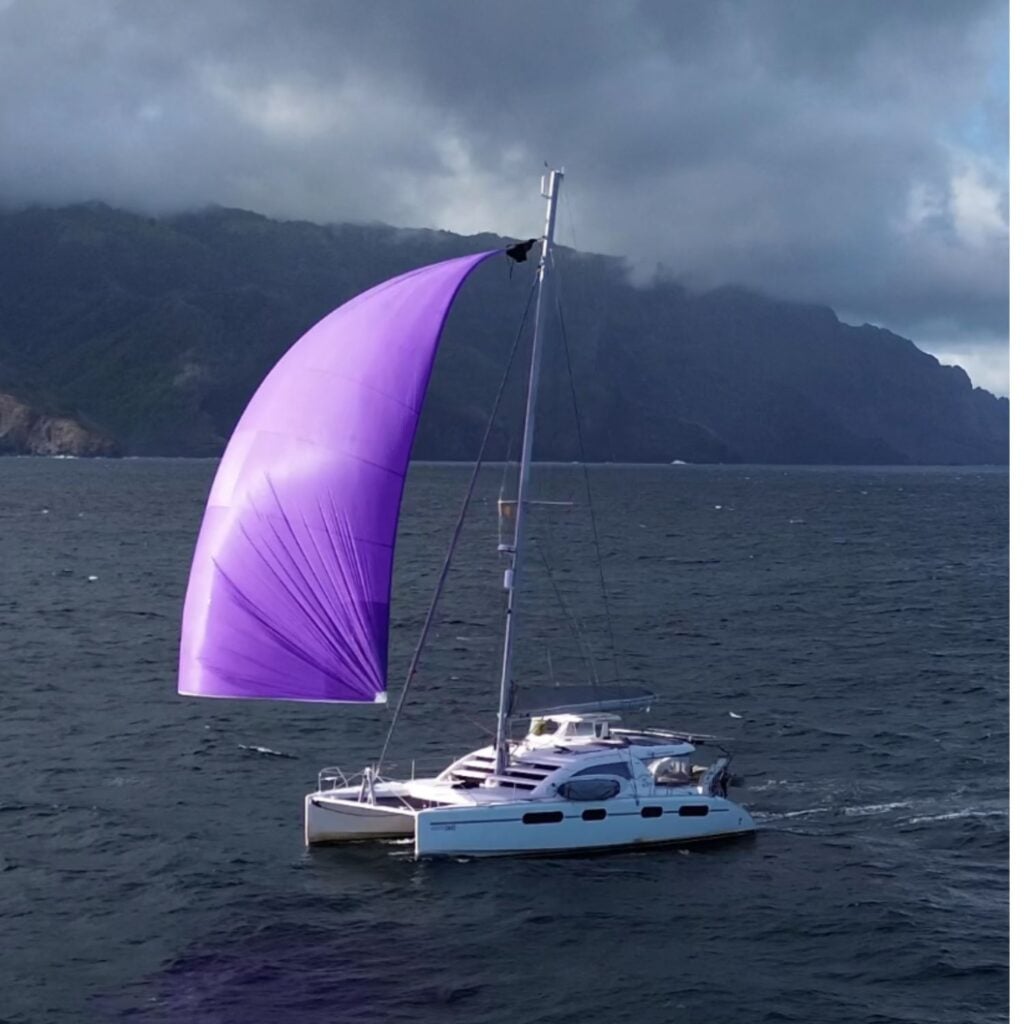
Shona Fothergill/Sailing with Six
Compared with cars, airplanes, and even most powerboats, sailboats are slow.
Most cruising sailboats travel at around 5 to 8 knots (roughly 6 to 9mph), so getting somewhere usually takes a lot of patience, especially if the wind direction changes halfway through your passage.
But speed isn’t really the point. Sailing is about enjoying the journey and reaching places that many will never do. I’ve never minded taking a little longer when the engine is off, the sails are full, and the boat is quietly making its way across the water.
Of course, not all sailboats are super slow. Modern racing yachts and high-performance foiling sailboats can easily top 20 knots, and some are much faster.
Safety At Sea Myths
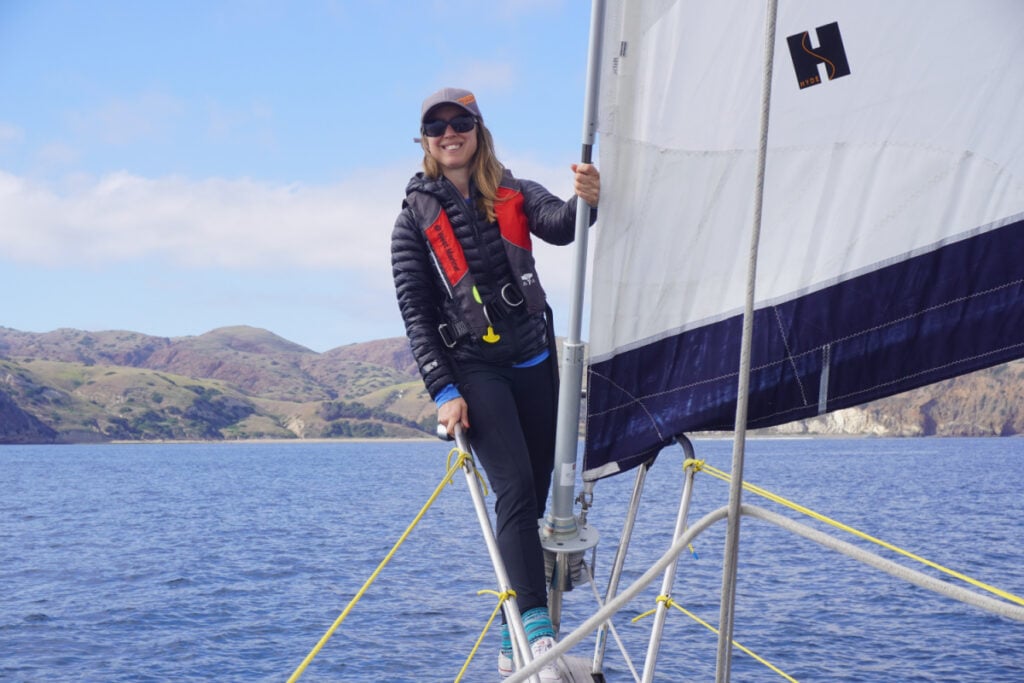
Myth 7: Life Jackets Are Only For Bad Weather ❌
You don’t have to be in the middle of a storm for something to go wrong. A wet deck, an unexpected wave, or a misstep is all it takes.
That’s why Tom and I always wear our life jackets when we’re on deck during offshore passages. It’s become second nature, and we’d rather have them on and never need them than wish we’d put them on.
Myth 8: You Can Survive by Drinking Seawater ❌
It might seem like the obvious thing to do if you’re surrounded by water, but – unfortunately – drinking seawater will actually make you more dehydrated.
That’s because saltwater contains far more salt than your body can handle. To get rid of that extra salt, your kidneys have to use more water than you gained by drinking it in the first place.
So, instead of helping, seawater speeds up dehydration. If you’re ever in a survival situation, it’s one of the worst things you can drink.
Living aboard has made me much more aware of just how precious fresh water is. We always keep a close eye on our supply. Many cruisers install watermakers so they can produce fresh water during long passages.
Myth 9: The Sea Always Gets Calmer Close to Shore ❌
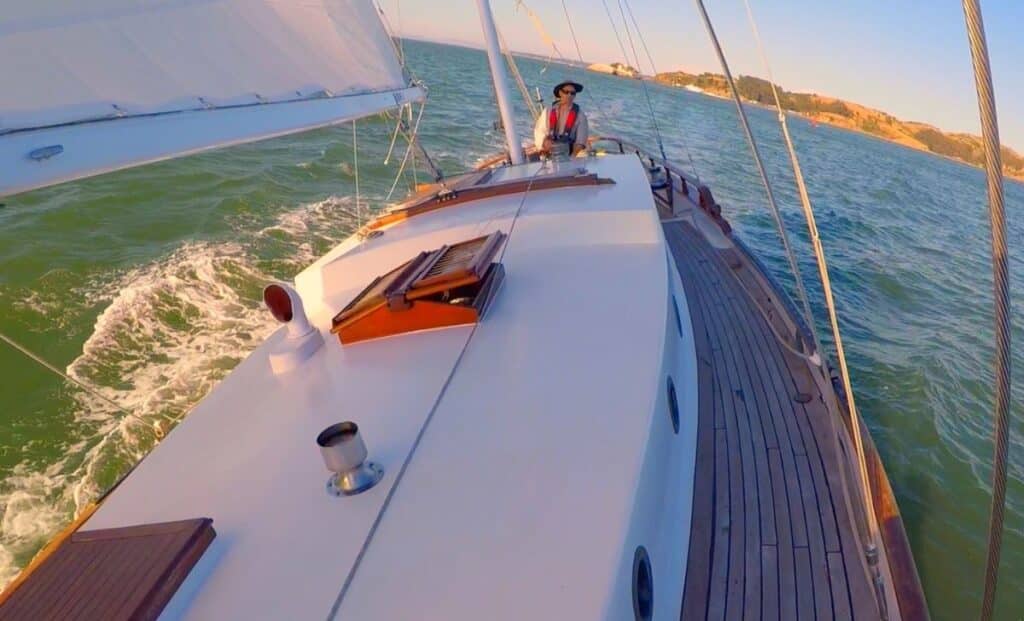
This is one I used to believe, too. The reality is that the sea doesn’t automatically get calmer as you approach land.
Shallow water often makes waves steeper, while reefs, sandbars, and headlands can create surprisingly rough conditions. Some of the biggest waves you’ll see are the ones breaking close to shore.
Of course, land can also provide excellent shelter from the wind and swell. The trick is finding the right bay or the lee of the land.
Life On Board Myths

Myth 10: You Can Sleep While Sailing Alone ❌
This is one I get asked all the time. The short answer is no. If you’re sailing solo, you can’t just go to bed and let the boat sail itself.
When Tom and I are on passage, we take turns standing watch so one of us is always awake while the other gets some sleep. That’s simply not an option when you’re sailing alone.
Offshore solo sailors usually sleep in short naps, waking regularly to check for other boats, changes in the weather, and whether the sails need adjusting. The autopilot can steer the boat, but it can’t keep a lookout.
Myth 11: Living on a Sailboat Is a Permanent Holiday ❌
Don’t get me wrong, living on a sailboat can be incredible. But it isn’t one long vacation. You still have to shop, cook, clean, do laundry, fix things, and keep on top of maintenance.
On top of that, you’re always thinking about your water supply, battery levels, the weather, and where you’ll spend the night.
I wouldn’t trade this lifestyle for anything, but it definitely feels more like living than being on holiday. The view from my “front yard” just changes a lot more often than most people’s.
Myth 12: Most Seasickness Disappears After a Few Days ✅
This one is actually true for most people.
After a couple of days at sea, your brain usually adapts to the boat’s constant motion, and the nausea often fades. That’s why many sailors who feel awful on the first day are perfectly fine by the third.
That said, not everyone adapts, and if you’re prone to seasickness, it’s much easier to prevent it than to treat it once it starts.
Weather Myths

Myth 13: Red Sky at Night Means Good Weather Is Coming ❌
There is some truth behind this old saying, but it isn’t a guarantee.
In places where weather systems generally move from west to east, a red sunset can mean clear skies are approaching from the west. That’s why the saying has survived for so long.
I still enjoy seeing a beautiful red sky in the evening, but I wouldn’t base my passage plans on it. These days, weather forecasts are far more reliable than old sailors’ sayings.
Myth 14: You’ll Never Get Used to Sleeping at Sea ❌
The first few nights on passage can be tough. Between the motion of the boat, unfamiliar noises, and getting up for your watch, it’s perfectly normal to struggle with sleep.
The good news is that most sailors gradually adapt. After a few days, many people find they sleep surprisingly well, even with the boat moving and a watch system to follow.
That said, everyone is different. My friend Elena never really adjusted, even after a 25-day Atlantic crossing. Because it was just her and her husband on board, she found it hard to fully relax and switch off. She was always wondering what might happen while she was asleep.
So while most people do get used to sleeping at sea, there’s no guarantee you’ll be one of them.
Boat Ownership Myths
Myth 15: Salt Water Ruins Everything ✅
Unfortunately, this one is pretty close to the truth.
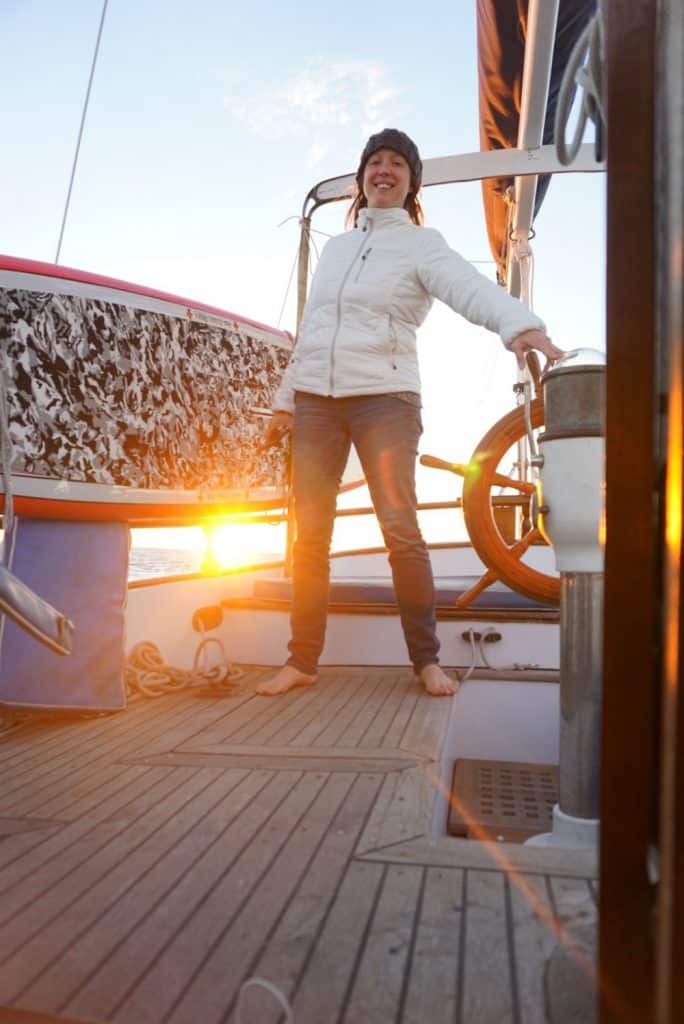
Salt is one of the biggest enemies of any boat. It accelerates corrosion, gets into electrical systems, wears out moving parts, and shortens the life of everything from zippers to deck hardware.
Even stainless steel isn’t immune. Leave it covered in salt long enough, and it can start to corrode, too.
I’ve got into the habit of rinsing almost everything with fresh water whenever I can. It takes a little time, but it saves a lot of money and repairs in the long run.
Myth 16: You Need a Brand-New Boat to Cruise Safely ❌
A brand-new boat might have the latest technology and all the modern comforts, but that doesn’t automatically make it safer offshore.
Plenty of older boats are still cruising happily, decades after they were built. Our CT41 is a great example. It may not have all the latest gadgets, but it’s a solid, capable boat that’s looked after and well maintained.
The condition of a boat and how well it’s cared for matter a lot more than the year it was built.
Bluewater Sailing Myths

Myth 17: Crossing the Atlantic Is Only For Professionals ❌
Every year, thousands of ordinary cruisers make the Atlantic crossing. Many are retired couples, families with young children, or people who simply dream of doing it one day.
Quite a few of my friends have crossed the Atlantic, and one thing they all have in common is that none of them are professional sailors. They took the time to build experience, prepare their boats, and wait for the right weather window.
Frequently Asked Questions
What’s the biggest misconception about sailing?
Many people assume sailing is only for wealthy retirees. In reality, sailors come from all walks of life, and there are many affordable ways to get on the water.
Can anyone learn to sail?
Yes. Most people can learn to sail with lessons, practice, and experience. You don’t need a boating background to get started.
Do you need a license to sail a boat?
It depends on the country you’re in and the size of the boat. Even where a license isn’t required by law, it’s worth taking a sailing course before taking charge of a boat on your own.
Is sailing dangerous?
Like any outdoor activity, sailing carries risks. Good preparation, weather awareness, and sensible decision-making make a big difference.
Why do sailboats have engines?
Engines make it easier and safer to leave marinas, motor through calm conditions, and handle emergencies.
Can sailboats sail without wind?
No. Without wind, they need an engine or another source of propulsion.
Can you sleep while sailing alone?
Not for long periods. Solo sailors usually sleep in short naps, set multiple alarms, and wake regularly to check for other boats, changes in the weather, and sail trim.
Can you drink rainwater at sea?
Yes, but only if you collect it safely and properly filter or treat it when necessary.
Does seasickness ever go away?
Most people adapt after a few days, although some can’t.
Is it cheaper to live on a sailboat?
It can be, but it depends on your lifestyle, where you cruise, and how much you spend on maintenance and marinas, and what your living costs were before moving aboard.