12 Things Crossing the Atlantic Taught Me About Sailing and Life

A 25-day Atlantic crossing sounds romantic — and sometimes it was. Here are 12 things nobody warns you about before you sail an ocean, from a cruiser who’s done it.
*This post may contain affiliate links. Please read our disclosure policy for more info.
What is it really like to spend 25 days crossing the Atlantic on a sailboat?
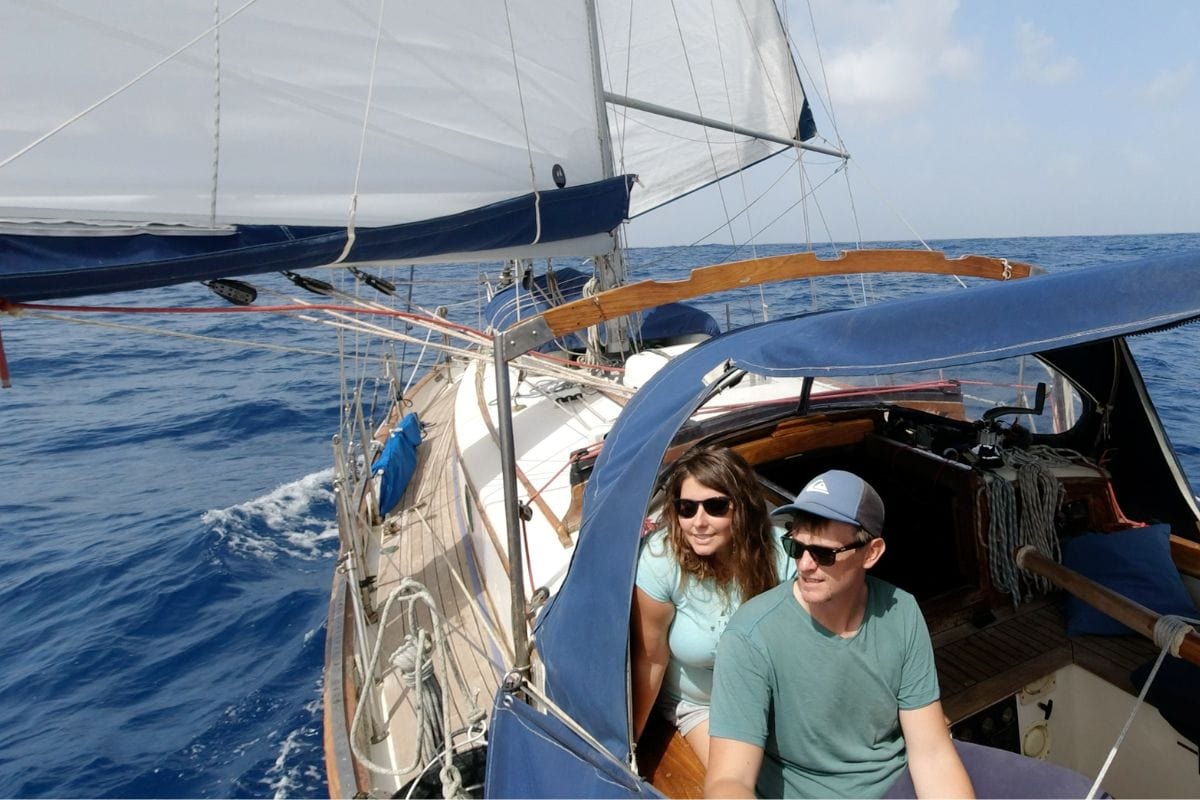
In February 2020, I set sail across the Atlantic from the Canary Islands to Bequia, in Saint Vincent and the Grenadines, with my husband, Ryan, aboard Skua, a Tayana 37. The passage took us 25 days, and by the time we reached the Caribbean, the world had changed.
Crossing an ocean was an incredible experience, and I’m still proud that we did it. We enjoyed the simplicity of life at sea, had beautiful moments, and loved watching the miles ahead slowly tick down.
But the crossing also challenged me in ways I hadn’t expected. Before we left, I worried about big seas, bad weather, and equipment problems. I didn’t expect the everyday parts of life underway to affect me so much.
Here are 12 things nobody warned me about before I crossed an ocean.
1. You Might Never Learn to Sleep Well Underway
Before the crossing, people told me it would take five to seven days for my body to adjust to the boat’s movement. After that, they said, I would learn to sleep underway. I never really did.
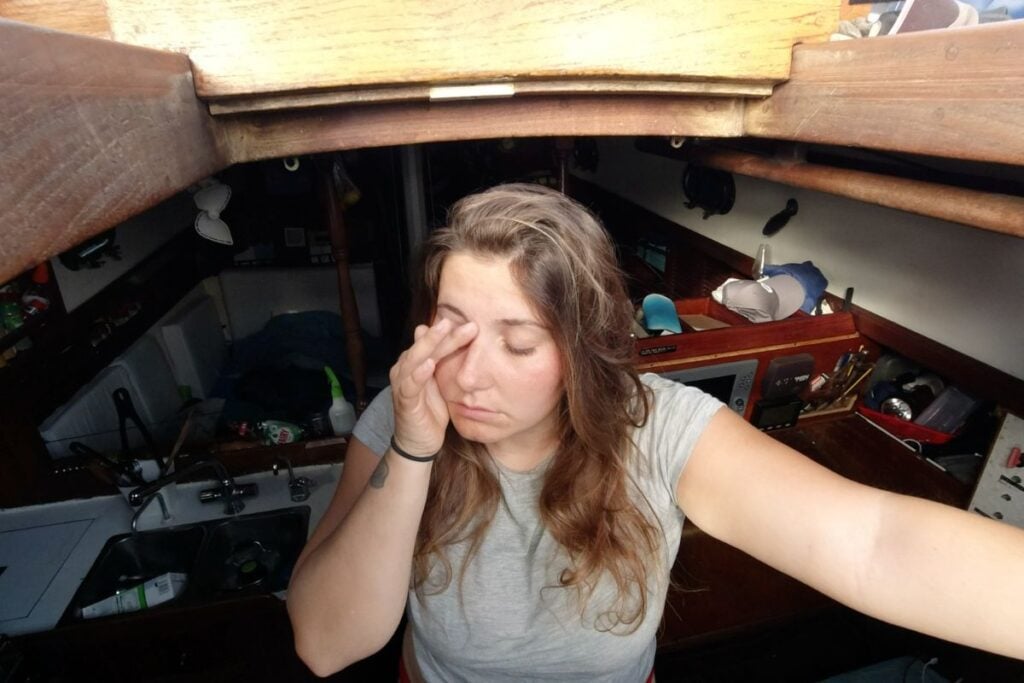
My biggest problem was anxiety. When Ryan stood watch, I couldn’t stop worrying that he might fall overboard. Strangely, I slept perfectly well underway on someone else’s boat. On Skua, I constantly looked up into the cockpit to check that Ryan was still there.
I felt as though I slept for only a few hours every few nights, although it eventually became difficult to know how much sleep I actually got. By the halfway point, I felt tired, foggy, and daunted by the thought of another two weeks at sea.
Some sailors adapt quickly, but I didn’t, and that became the hardest part of crossing the Atlantic for me.
2. Time Stops Working Normally
A few days into the crossing, normal time started to lose its meaning. I stopped thinking in terms of weekdays and weekends. Our days revolved around watches, meals, and weather checks. One day blended into the next.
The halfway point felt important, so we celebrated it by having a special meal. We opened a premium can of Sardinian bluefin tuna that the restaurant where we held our wedding dinner had given us a few months earlier.
After that, we tried not to think too much about how far we still had to go. It felt easier to focus on the next watch, the next meal, or the next sunset.
3. You Eat More Than You Expect
One thing that surprised me was how hungry I felt during the crossing.
The hunger often hit during my night watches. Sitting alone in the cockpit for hours left plenty of time to think about food. I may have been hungry, but boredom probably played a part too.
We had provisioned for the passage, but I hadn’t realized how important snacks would become. If I crossed another ocean, I would bring more easy-to-grab food.
4. The Ocean Eventually Starts to Look the Same
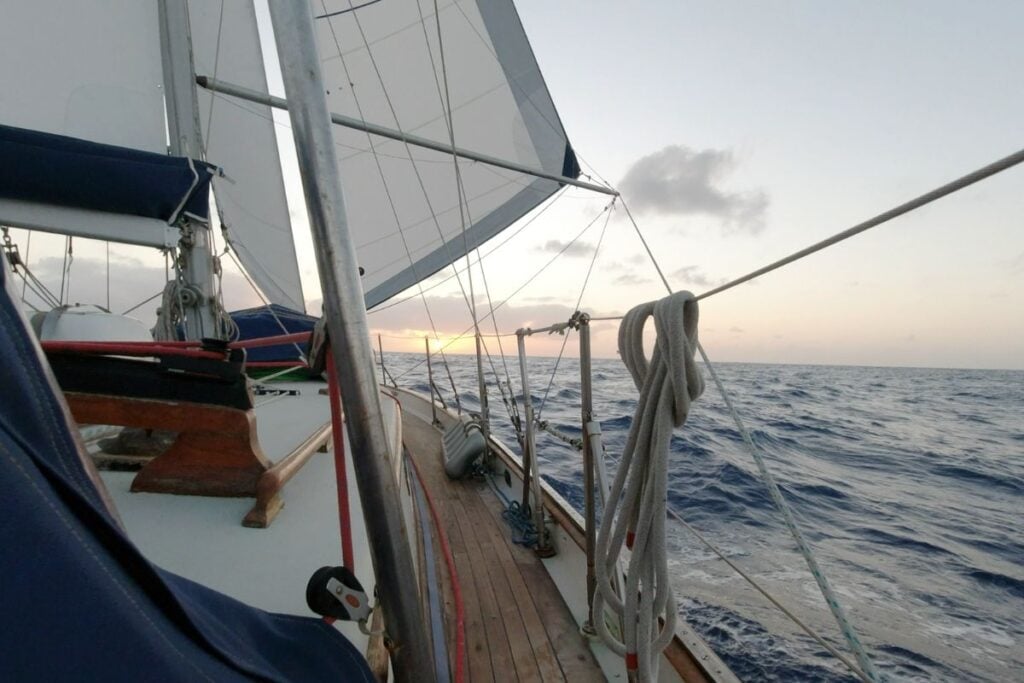
At first, being surrounded by nothing but ocean felt incredible. I couldn’t stop looking at the horizon or thinking about how far we were from land. The sheer scale of the Atlantic made the crossing feel like a huge adventure.
After the initial excitement wore off, though, the view didn’t change much. However beautiful the ocean was, it eventually became the background to our routine.
I had imagined feeling constantly connected to nature and deeply reflective. The truth is, I got bored. I hate to admit it, but after a week or so of endless conversations, Ryan and I spent our daytime off-watches rewatching every episode of Breaking Bad.
That didn’t mean I stopped appreciating where we were. If anything, the moments that broke up the routine felt more special.
5. The Boat Never Stops Moving
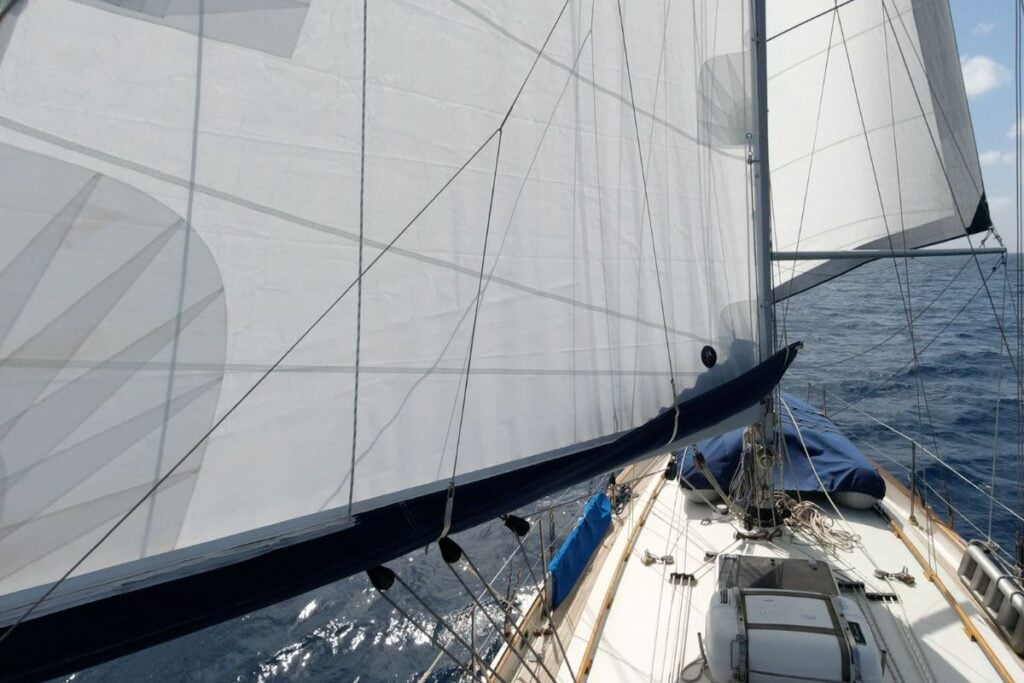
Even in good weather, the Atlantic swell kept Skua rolling and pitching day and night. Walking through the boat meant holding on, and putting something down meant making sure it couldn’t slide or fly across the cabin.
Down below, all that motion had its own soundtrack. Water rushed past the hull, lines slapped, sails creaked, and blocks shifted under load.
At night, I had to wedge myself into the mattress to stop my body from rolling around.
I didn’t realize how much energy the motion took – or how used to the noise I had become – until we reached a calm anchorage. After 25 days underway, stillness felt almost strange.
6. You May Finally Stop Getting Seasick
Before I started living on a boat, I got seasick quite easily. Even a relatively short trip could leave me feeling miserable, so I expected nausea to become a major problem during the Atlantic crossing.
Over time, though, my body adjusted to life on the water. I gradually stopped feeling sick during normal sailing conditions, and by the time we crossed the Atlantic, seasickness barely affected me.
Rough weather could still make me feel queasy, especially when I went below, but most days I felt completely fine.
If you’re lucky with the weather, you’ll likely find your sea legs on the ocean.
7. Every Sailing Maneuver Feels Exciting
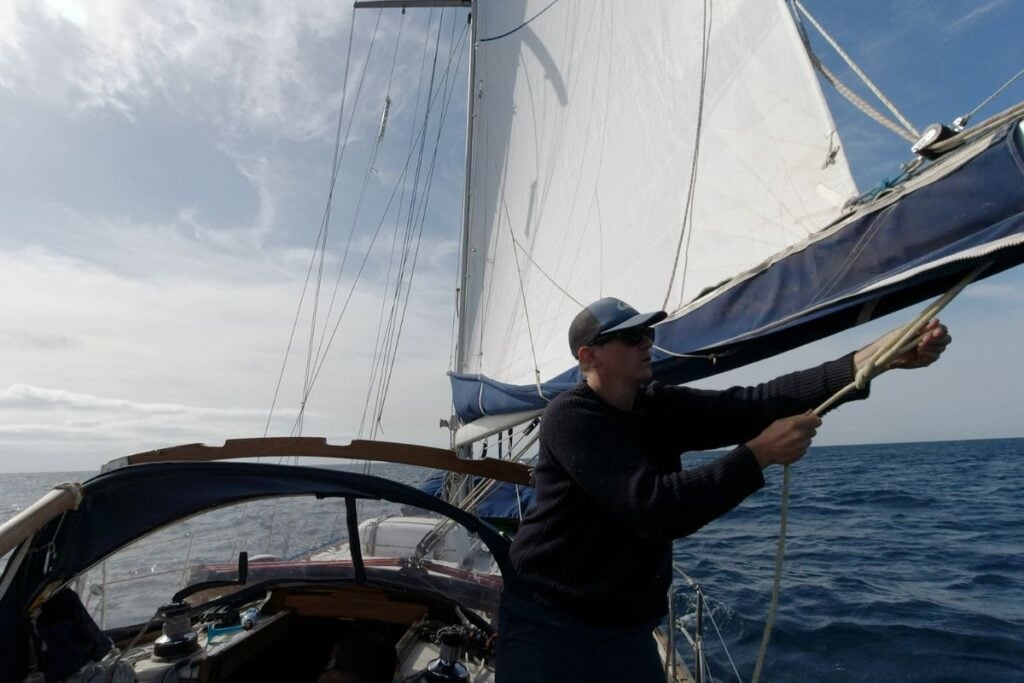
The trade winds often blew steadily from the same direction for days, so we didn’t need to change our sail setup very often. Most days, our only maneuver involved reefing before the sun went down.
That made any change feel exciting. Trimming the sails, shaking out a reef, or adjusting our course gave us a chance to work together and actively sail the boat again.
We sometimes even had to negotiate who got to do it.
8. Small Rituals Become Important
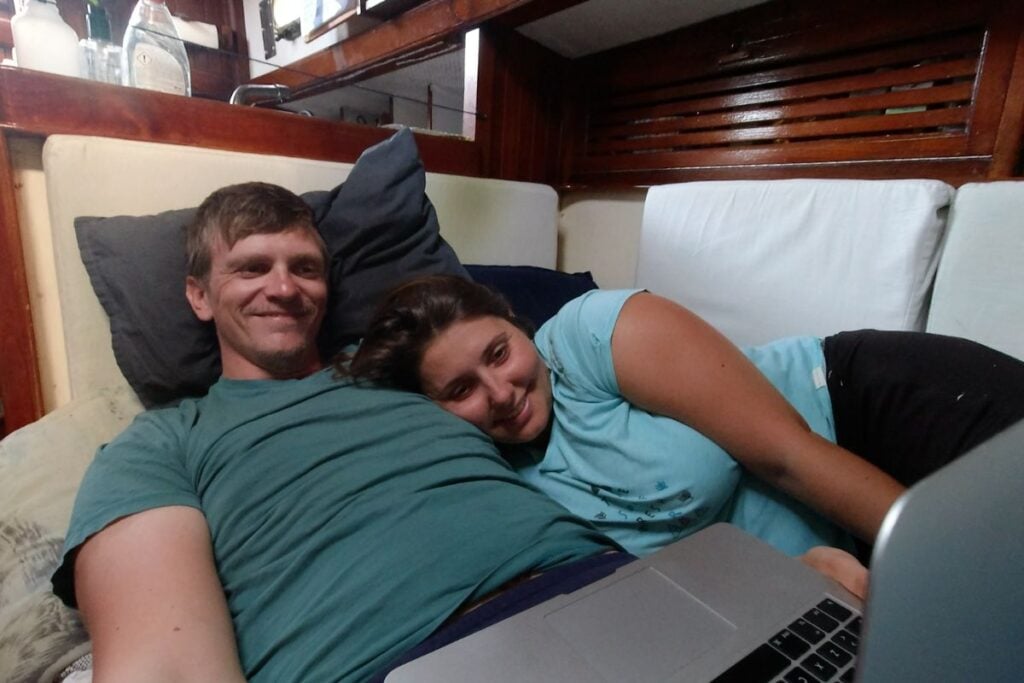
With one day blending into the next, our little rituals gave the crossing structure. We ate dinner together at sunset, navigated by the stars as a team, and made time for a cuddle before the first night watch.
On clear nights, we worked out our position from the stars. It became a surprisingly romantic thing to do together and made us feel part of a much older sailing tradition.
9. You Can Feel Bored and Overwhelmed at the Same Time
There were long stretches when nothing happened, but I still couldn’t switch off. Even during the quietest watches, I had to look for ships, check the weather, listen to the boat, and keep an eye on the wind.
Then something would change. The wind would pick up, a squall would appear, or an unfamiliar noise would demand my attention. I could go from sitting around for hours to needing to act immediately.
It was a strange combination: I could feel bored by the lack of activity and overwhelmed by the responsibility at the same time.
10. Distance Gives You Clarity
Being thousands of miles from land gave me space to think about things differently.
Life aboard was very simple. We focused on sailing the boat, eating, sleeping, and moving west. With fewer decisions to make and nowhere else to be, I had plenty of time to reflect.
The distance helped me separate the real problems from the things that had only felt urgent.
11. The Stars Aren’t Always Spectacular
Before the crossing, I pictured clear nights filled with more stars than I had ever seen. With no cities or artificial lights for hundreds of miles, I assumed the night sky would look incredible.
In reality, the sky was rarely clear. Clouds often blocked the stars, and many nights looked nothing like the dramatic ocean-crossing scenes I had imagined. I’ve actually seen better stars in Egypt.
12. You Spend Less Time Together Than You Expect
You might assume that crossing an ocean with one other person means spending every minute together. In reality, Ryan and I often felt as though we were living on opposite schedules.
When my watch ended, the last thing I wanted to do was stay in the cockpit. I wanted to go below, get comfortable, eat something, watch a show, or try to sleep. Ryan usually felt the same when his watch finished.
We shared lunch and dinner and made time for a few small rituals each day, but we spent much of the passage apart.
Would I Cross Another Ocean?
After we reached the Caribbean, Ryan and I decided we wouldn’t cross another ocean with just the two of us aboard our own boat. The sleep deprivation and anxiety affected me too much, and I wouldn’t want to put myself through the same experience again in the same way.
That doesn’t mean I regret the crossing. I’m proud that we sailed across the Atlantic, and the passage gave us memories and a sense of achievement that I’ll always carry with me. It was beautiful, boring, romantic, exhausting, and rewarding – sometimes all on the same day.
Our experience also doesn’t mean that every ocean crossing feels like this. Some sailors sleep soundly underway and love sailing double-handed. If we ever decided to try again, I would prepare very differently.
We would probably bring a third or even fourth crew member, provision more food – especially for night-watch snacks – and give everyone a better chance to rest.
I would also work on managing my anxiety before leaving, maybe by learning to meditate or finding other ways to quiet my mind.
Frequently Asked Questions
How long does it take to cross an ocean?
It depends on the route, weather, boat, and sailing speed. Our Atlantic crossing from the Canary Islands to Bequia aboard a Tayana 37 took 25 days.
Can two people cross an ocean?
Yes, many couples sail double-handed. Whether it works well depends on the boat, watch schedule, experience, and how easily each person can sleep underway.
How do sailors sleep during an ocean crossing?
Crews usually take turns standing watch and sleep in short blocks. The more people you have aboard, the longer everyone can rest between watches.
Does everyone get seasick during an ocean crossing?
No. Some people never get seasick, while others need time to adjust. Even experienced sailors may feel sick when conditions become rough.
Are ocean crossings boring?
They can be. Not much may happen for hours, but someone still has to watch for ships, check the weather, and keep an eye on the boat.
Does the boat matter when crossing an ocean?
Yes. The boat’s size, design, speed, movement, equipment, and layout all affect the experience.